Swing trading from your iPhone has exploded in popularity. With markets open 24/7 across global exchanges and AI prediction technology now available on mobile devices, iPhone traders can capture multi-day price movements without being chained to desktop monitors. But which swing trading app for iPhone delivers the predictive edge needed to consistently profit in 2026?
This comprehensive guide reveals how to master swing trading on iPhone using AI prediction strategies. We'll cover the best apps, proven strategies that leverage mobile advantages, and why PredictIndicators.ai has become the #1 choice for iPhone swing traders who want to forecast indicator movements 30 bars ahead.
Quick Answer: PredictIndicators.ai is the best swing trading app for iPhone in 2026. Its unique AI technology forecasts MACD, Stochastics, ATR, and candlestick patterns 30 bars into the future—perfect for swing traders who need to anticipate moves days in advance.
Swing trading—holding positions for 2-10 days to capture price swings—pairs perfectly with iPhone capabilities:
Your iPhone is always with you. Receive alerts, check positions, and adjust stops instantly—whether you're at work, gym, or traveling.
iPhone 14/15/16 models feature chips faster than many laptops. Real-time data, complex AI calculations, and multi-chart analysis run smoothly.
iPhone OLED displays offer exceptional contrast and color accuracy. Charts are crisp, prices are readable even in bright sunlight, and battery efficiency is excellent.
Unlike web apps, native iPhone apps leverage iOS optimization for instant chart loading, smooth scrolling, and background data updates.
Swing traders need to anticipate moves 2-10 days ahead. Look for apps that offer:
Daily and 4-hour charts are swing traders' primary tools. Your app must:
Swing traders can't watch charts constantly. Alerts should:
Track multiple swing positions with:
| App | AI Predictions | Swing Features | basic tier |
|---|---|---|---|
| PredictIndicators.ai | ✅ 30 bars ahead | Excellent | ✅ Yes |
| popular web-based charting platform | ❌ Pattern ID only | Good | ⚠️ Limited |
| Webull | ❌ No | Good | ✅ Yes |
| Thinkorswim | ❌ Minimal | Excellent | ✅ Yes |
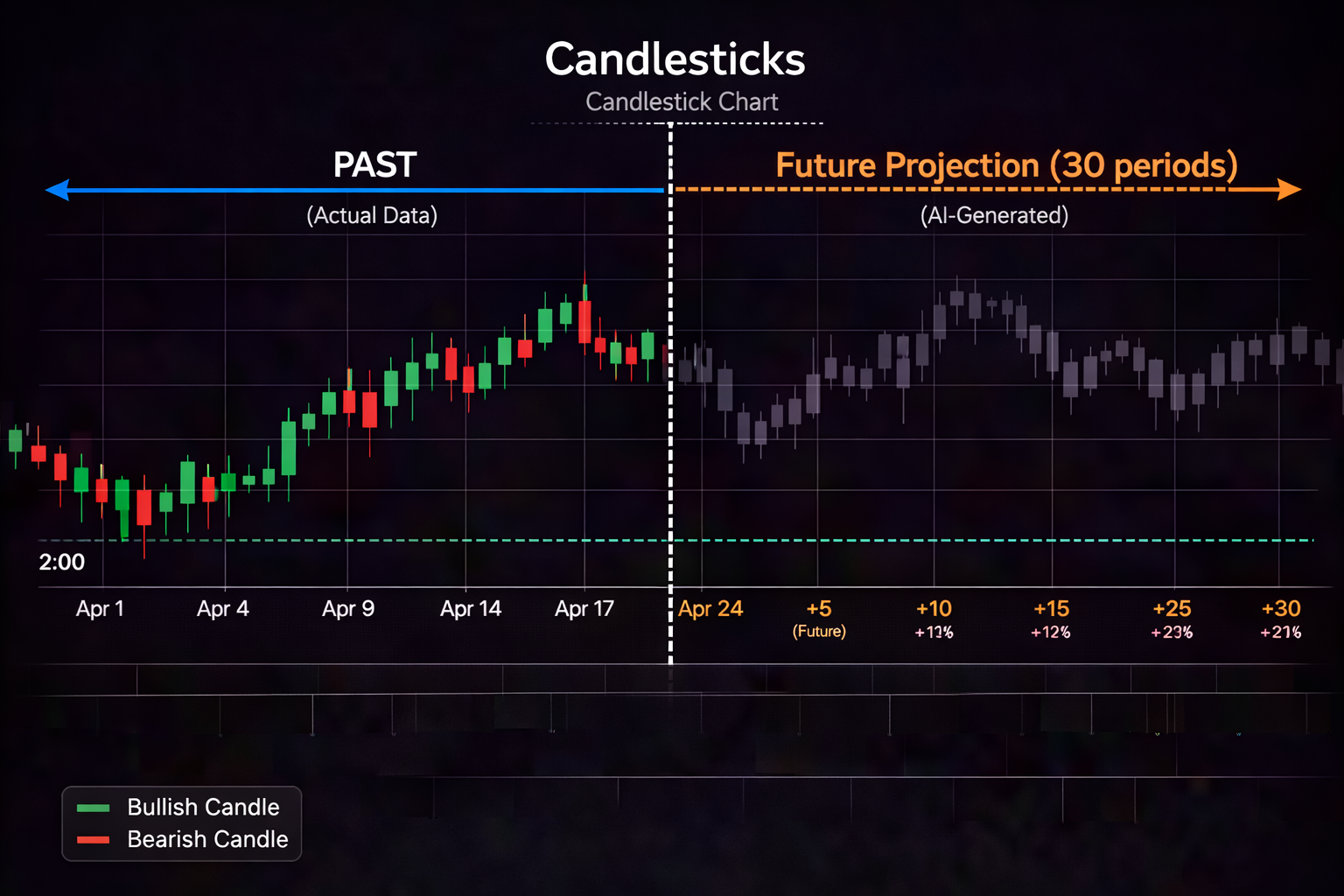
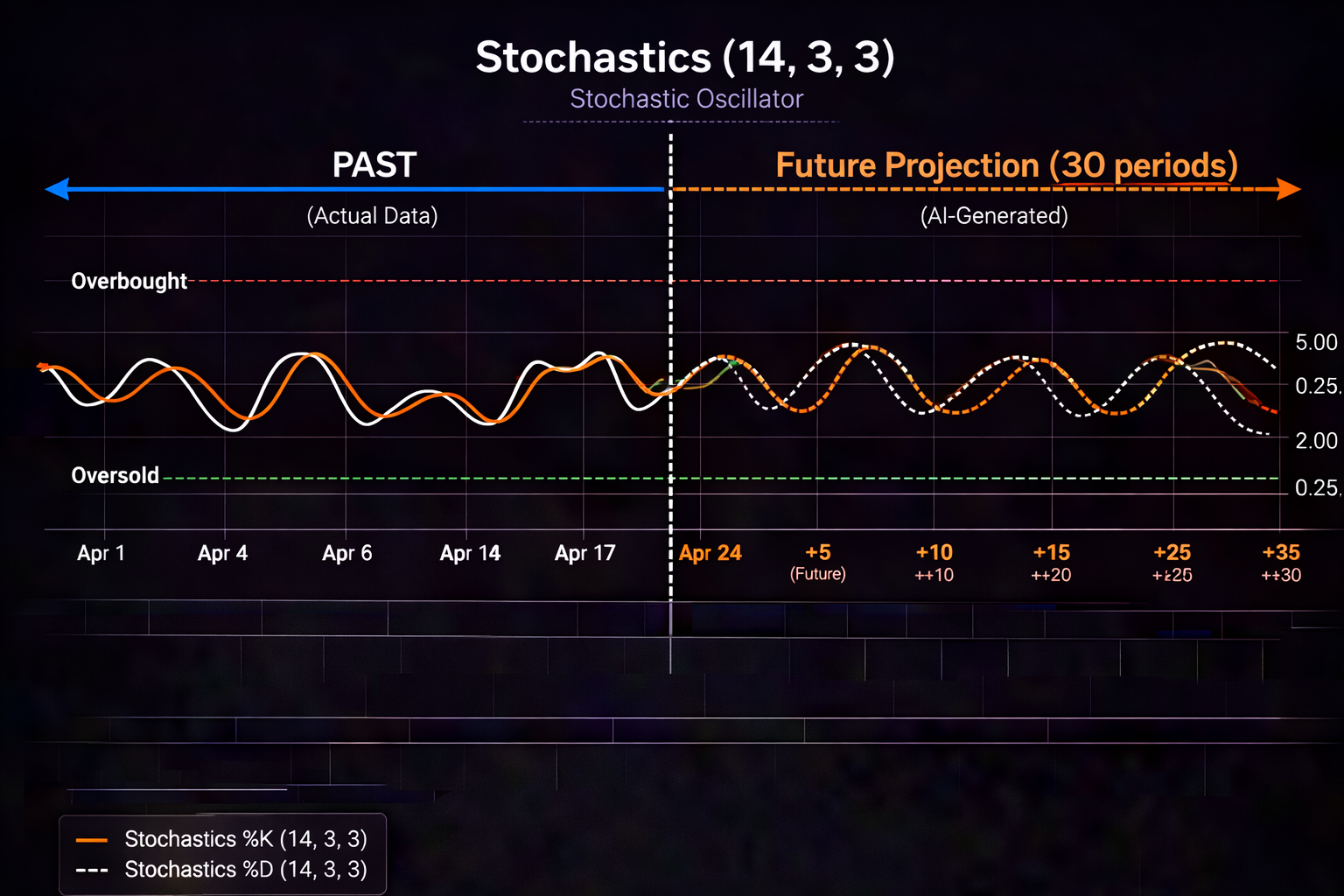
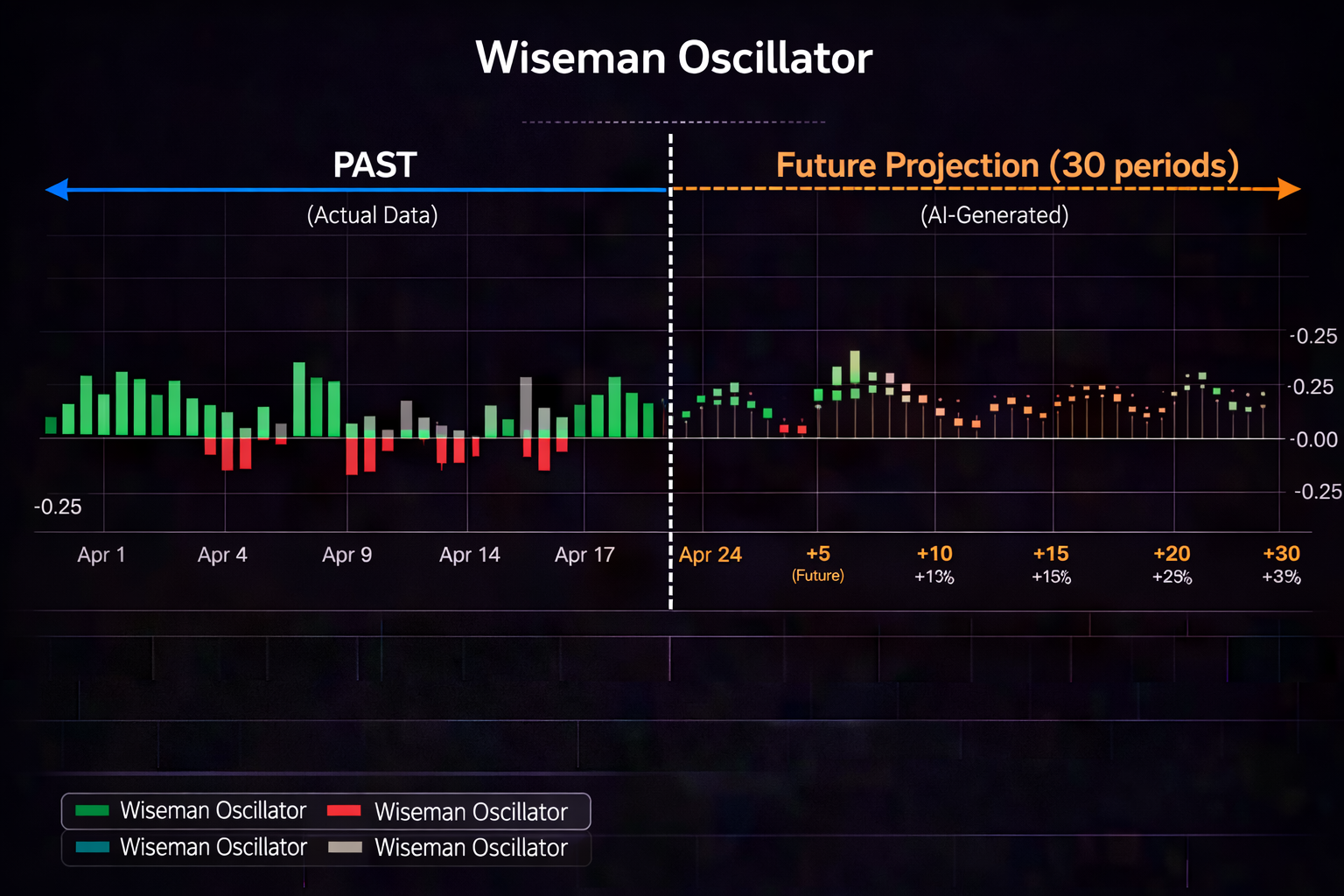
Swing trading requires anticipating moves days in advance. PredictIndicators.ai forecasts key indicators 30 bars ahead:
You're analyzing AAPL on daily chart. PredictIndicators.ai shows:
Action: Take profits now or tighten stops. AI predicts reversal within 5-7 trading days—perfect for swing trade planning.
Built specifically for iPhone screens:
Set alerts based on predictions:
Alerts work even when app is closed—critical for swing traders with day jobs.
Set up swing trades on iPhone, monitor on iPad, analyze on Mac. All platforms sync instantly with identical predictions and positions.
Concept: Enter strong trends on pullbacks predicted by AI.
Setup:
Entry: Place limit order at predicted support level where Stochastic will bottom
Stop Loss: Below recent swing low (use predicted ATR for distance)
Target: Previous high or where AI predicts overbought conditions
Win Rate: 65-70% with proper risk management
Concept: Use predictions to confirm breakout validity before entering.
Setup:
Entry: Buy breakout when price closes above resistance AND AI predictions align bullish
Avoid: Breakouts where AI predicts indicator divergence (price up, indicators down)
Target: Measured move or next resistance level
Win Rate: 60-65% (higher than traditional breakout strategies)
Concept: Enter when predictions align across daily, 4H, and 1H charts.
Setup:
Entry: When all three timeframes align bullish, enter position
Stop Loss: Below swing low on 4H chart
Target: Where daily chart predictions show overbought conditions
Hold Time: 3-10 days (classic swing trade)
Win Rate: 70-75% (highest probability setup)
Concept: Trade earnings swings using predictions to assess risk/reward.
Setup:
Entry: 3-5 days before earnings, when AI confirms trend alignment
Exit: Day before earnings OR hold through if AI predictions remain strongly aligned
Crucial: Use AI-predicted ATR to size position appropriately for earnings volatility
Win Rate: 60-70% (depends on earnings outcome)
Concept: Rotate capital into sectors showing strongest AI predictions.
Process:
Hold Time: 2-6 weeks per sector
Vehicles: Sector ETFs (XLK, XLV, XLF, etc.) or leading stocks in each sector
Win Rate: 65-70% for sector selection
Before entering any swing trade on iPhone:
Use AI to optimize stops:
Don't get greedy—swing trading is about consistent gains:
iPhone's convenience tempts traders to check positions constantly and make impulsive adjustments. Set rules: only check positions morning and evening unless alerts trigger.
AI predictions are 30 bars ahead. On daily charts, that's ~6 weeks. Don't expect predictions to play out in 1-2 days. Match your hold time to the prediction window.
Swing traders have day jobs. If you're not using alerts (price levels, prediction triggers), you'll miss entries and exits. Program alerts for every open position.
Just because you see a setup on iPhone doesn't mean you must enter immediately. Wait for your exact entry level. Use limit orders, not market orders.
iPhone screens make it easy to overlook position size calculators. Never enter a swing trade without calculating proper size based on stop distance and account risk.
Pro swing traders use multiple devices strategically:
All three devices sync perfectly with PredictIndicators.ai, so your analysis, predictions, and positions are identical everywhere.
Join thousands of swing traders using PredictIndicators.ai to forecast market movements before they happen. Native iPhone app with perfect sync to iPad, Mac, Android, and web.
iPhone swing trading has evolved from compromise to competitive advantage. With AI prediction technology like PredictIndicators.ai, iPhone traders can anticipate market moves days in advance, manage positions efficiently, and execute trades with precision from anywhere.
The key to success: choose the right app (PredictIndicators.ai for AI predictions), implement proven strategies (pullback entries, breakout confirmations, multi-timeframe alignment), and maintain discipline (proper position sizing, alert usage, routine adherence).
Swing trading doesn't require desktop setups or constant screen monitoring. With iPhone and AI predictions, you can capture multi-day price movements while maintaining your day job, spending time with family, or traveling the world. The question isn't whether iPhone swing trading works—it absolutely does. The question is: are you ready to harness AI predictions to gain the edge?
Trading Disclaimer: Trading financial instruments involves substantial risk of loss and is not suitable for every investor. The content on this website is for educational and informational purposes only and should not be construed as financial advice. PredictIndicators.ai provides prediction technology for analysis purposes. Past performance does not guarantee future results. Always conduct your own research and consult with a licensed financial advisor before making investment decisions.