How to Use AI to Trade ES Futures More Confidently
ES futures (E-mini S&P 500) are among the most liquid and widely traded instruments in the world — but that liquidity doesn't make them easy to trade. The market moves fast, fakeouts are common, and timing matters more than being right about direction. AI prediction tools help ES traders by forecasting momentum shifts, identifying high-probability entry windows, and reducing the guesswork around when to act.
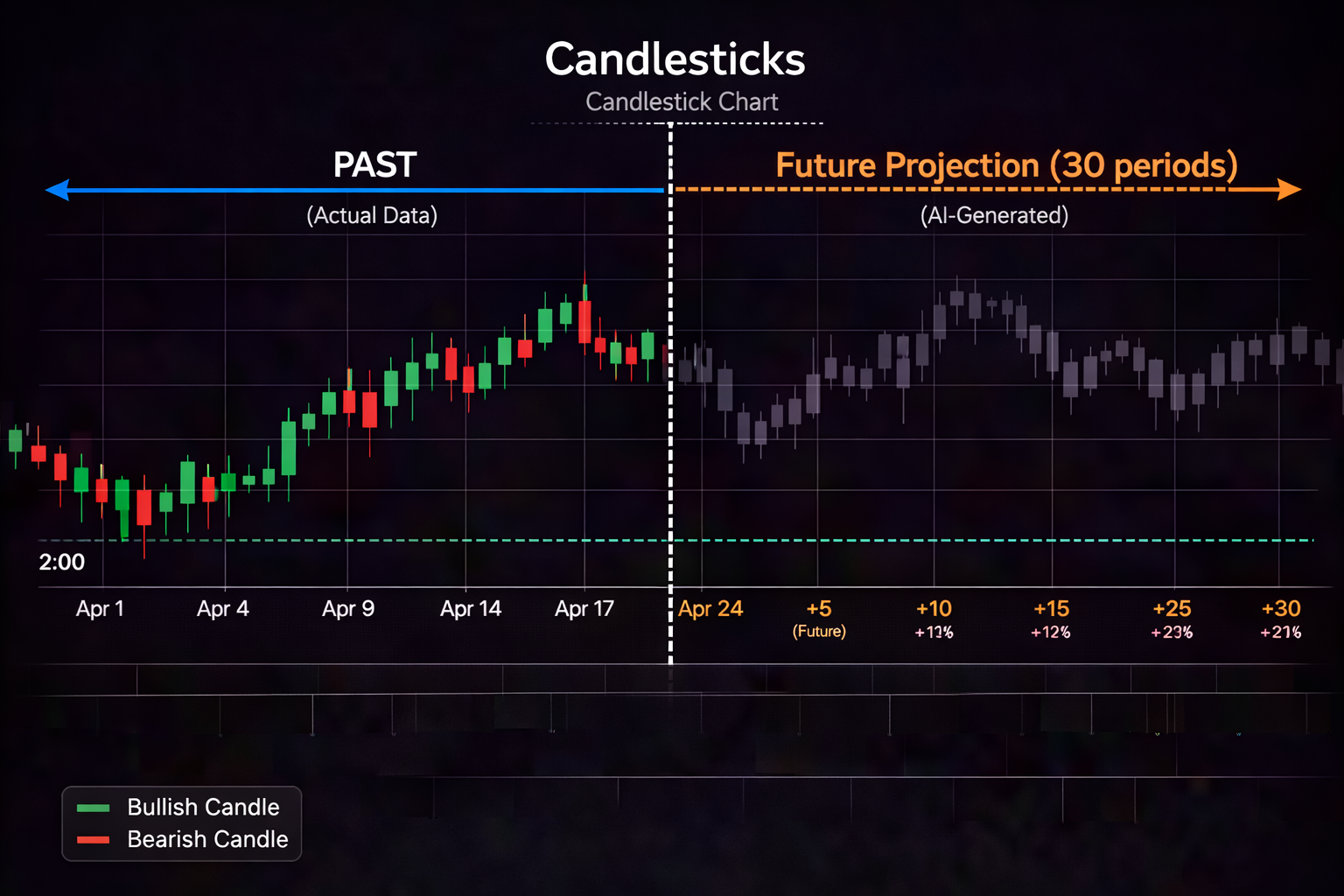

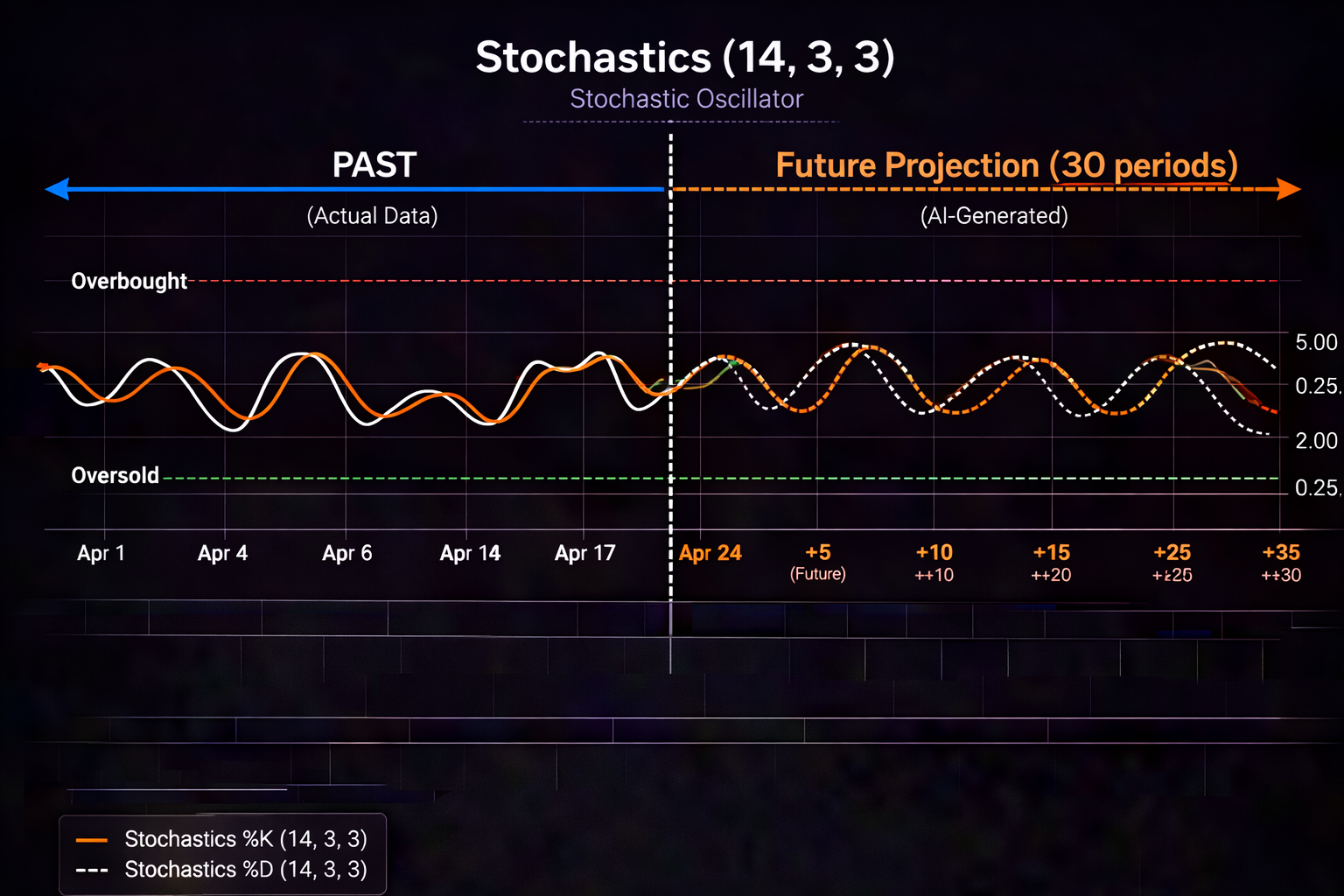


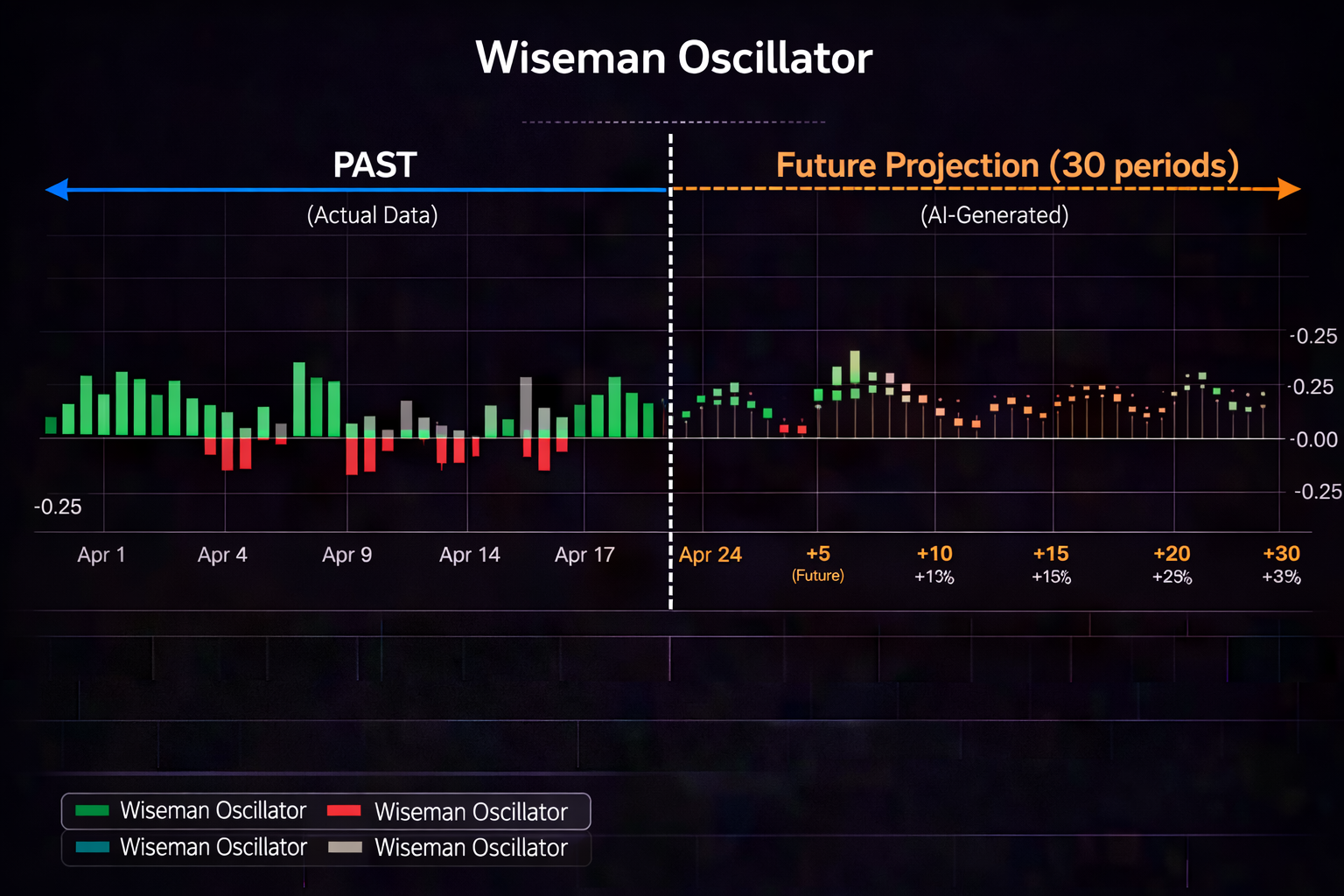
This guide covers how AI prediction applies to ES futures trading, which setups benefit most from forward-looking analysis, and how PredictIndicators.ai brings predictive indicators to NinjaTrader 8, MetaTrader 5, iPhone, iPad, Android, Mac, and web platforms.
Why ES Futures Are Hard to Trade (Even for Experienced Traders)
ES futures have characteristics that make them both attractive and frustrating:
- High liquidity: Tight spreads, easy entry/exit, minimal slippage
- Fast movement: ES can move 10-20 points in minutes during active sessions
- Session-dependent behavior: London session, New York open, and power hour each have distinct rhythms
- News sensitivity: Economic data releases can invalidate technical setups instantly
- Mean reversion vs. trend days: Some days ES ranges cleanly; other days it trends hard and never looks back
The core challenge isn't identifying direction — it's timing entries so that you're not constantly getting stopped out before the move you anticipated actually happens. This is where AI prediction becomes useful.
What AI Prediction Adds to ES Futures Trading
AI prediction models analyze historical ES price action, volume patterns, and indicator behavior to identify setups that have historically led to successful moves. Instead of telling you what already happened (like traditional indicators), predictive models forecast where momentum is likely to go over the next 10-30 bars.
Here's what that means in practical terms:
| Traditional ES Trading | AI-Enhanced ES Trading |
|---|---|
| Wait for MACD crossover, then enter | See MACD momentum building before the cross prints, prepare entry near key level |
| Enter on breakout, hope it holds | Check if predicted momentum supports continuation before committing |
| Get stopped out, watch trade work without you | Better stop placement based on predicted volatility and momentum path |
| Second-guess entries after being whipsawed | More confidence when forecast aligns with price structure and volume |
| Trade the same way every session | Adjust approach based on predicted momentum characteristics for current session |
The goal isn't to predict exact price targets. It's to improve your sense of whether momentum is likely to support your trade idea over the timeframe you care about.
How PredictIndicators.ai Works for ES Futures
PredictIndicators.ai applies machine learning models to multiple technical indicators simultaneously — MACD, RSI, Stochastic, ATR, and candlestick patterns — to generate forward-looking forecasts. For ES traders, this means you can see not just where indicators are now, but where they're likely to be over the next set of bars.
The workflow looks like this:
- Multi-indicator analysis: The model doesn't rely on a single indicator. It analyzes how MACD, RSI, Stochastic, and price action interact historically to identify high-probability setups.
- 30-bar forecasting: Predictions extend up to 30 bars ahead, giving you visibility into how momentum is likely to evolve during your trade.
- Platform-native integration: Forecasts appear directly in NinjaTrader 8 or MetaTrader 5 charts — no switching between windows or manual data entry.
- Cross-platform sync: Set up your ES analysis on desktop, monitor alerts on iPhone or Android during the day, review on iPad or Mac in the evening — all from one account.
Trade ES futures with forward-looking momentum analysis
PredictIndicators.ai forecasts indicator behavior up to 30 bars ahead on NinjaTrader, MT5, and all mobile platforms. See momentum shifts before they're obvious.
Start Free TrialES Futures Setups That Benefit Most From AI Prediction
1. Opening Range Breakouts (9:30-10:00 AM ET)
The first 30 minutes of the New York session often establish a range that guides early directional bias. Traditional breakout traders enter when price breaks the high or low. AI prediction helps you assess whether momentum is likely to support continuation after the breakout — reducing false breakout losses.
How to use it: When ES breaks the opening range high, check if predicted MACD and RSI momentum support continued upside. If forecasts show momentum fading despite the breakout, wait for confirmation instead of entering immediately.
2. Pullback Entries in Trending Sessions
On strong trend days, ES will pull back to moving averages, VWAP, or prior support/resistance before continuing. The challenge is knowing whether a pullback is a genuine re-entry opportunity or the start of a reversal.
How to use it: As ES pulls back to your preferred level (20 EMA, VWAP, prior high/low), check if predicted momentum suggests the pullback is ending. A forecast showing RSI or Stochastic beginning to curl back in the trend direction can signal a high-probability re-entry.
3. Range-Boundary Fades (Non-Trend Days)
Many ES sessions rotate between clear boundaries without establishing a strong trend. Range traders fade the edges — selling resistance, buying support — but timing is critical.
How to use it: When ES approaches a known range boundary, use AI prediction to assess whether momentum is likely to reverse at that level. Forecasts showing overbought RSI about to roll over at resistance (or oversold RSI about to turn up at support) improve confidence in fade entries.
4. Power Hour Momentum (3:00-4:00 PM ET)
The final hour of regular trading often sees increased volume and directional movement as institutions position for the close. Predictive analysis can help you identify whether late-day momentum is likely to continue into the close or reverse.
How to use it: If ES makes a late-day move, check predicted momentum over the next 10-20 bars. If forecasts show momentum persisting, consider riding the move into the close. If forecasts show exhaustion, look for reversal setups instead.
Step-by-Step: Building an AI-Enhanced ES Trading Routine
1. Define Your Core Setups
Before adding AI prediction, be clear about which ES setups you trade most often. Are you an opening range breakout trader? A pullback-in-trend trader? A range-boundary faker? Pick 2-3 setups you understand well — prediction enhances setups, it doesn't replace them.
2. Add Predictive Filters to Your Existing Rules
For each setup, define how AI prediction will improve your decision-making. Examples:
- Opening breakout: Only enter if predicted momentum supports continuation for at least 10 bars
- Pullback entry: Only enter if forecast shows momentum turning back in trend direction
- Range fade: Only enter if predicted RSI/Stochastic shows reversal building at the boundary
3. Backtest With Prediction Enabled
Review your past ES trades and ask: would AI prediction have kept me out of losing trades? Would it have given me confidence to stay in winning trades longer? This retrospective analysis helps you calibrate how much weight to give forecasts.
4. Start Small in Live Trading
Begin by using AI prediction as a confirmation tool — not a primary trigger. If your setup says enter and prediction agrees, proceed with normal size. If setup says enter but prediction disagrees, reduce size or wait. Over time, you'll learn when to trust the forecasts.
5. Track Results by Setup Type
Journal your ES trades and note whether AI prediction was aligned or misaligned with each outcome. Over 20-30 trades, patterns will emerge: maybe prediction excels at filtering opening breakouts but is less useful on midday chop. That's valuable information.
Common ES Trading Mistakes That AI Prediction Can Help Reduce
- Chasing breakouts without momentum confirmation: Prediction helps you distinguish between breakouts likely to continue vs. breakouts likely to fail.
- Entering pullbacks too early: Forecasts showing momentum still moving against the trend can help you wait for better timing.
- Holding losers too long: If you enter a trade and predicted momentum immediately moves against you, that's information — don't ignore it.
- Exiting winners too soon: When prediction shows momentum still favoring your direction, consider scaling out gradually instead of closing the entire position.
- Trading the same way every session: AI prediction can help you recognize when session characteristics favor patience over aggression (or vice versa).
Platform Considerations for ES Futures Traders
ES traders use different platforms based on their broker, preferred charting tools, and whether they trade from desktop or mobile. PredictIndicators.ai works across the major platforms ES traders use:
- NinjaTrader 8: Native integration for futures traders who want advanced charting + prediction in one environment
- MetaTrader 5: For ES traders who prefer MT5's interface or trade multiple instruments (forex, CFDs) alongside futures
- iPhone/iPad: Monitor ES positions and receive alerts when away from your desk
- Android phones/tablets: Same mobile functionality for Android users
- Mac app: Native macOS support for traders who prefer Apple hardware
- Web app: Access from any browser when you can't install software (work computers, travel)
If you're a NinjaTrader-focused futures trader, visit the NinjaTrader page for platform-specific setup guidance. If you trade ES alongside forex or CFDs, the MetaTrader page covers MT5 integration. For mobile-first workflows, see the iPhone or Android pages.
Final Takeaway
ES futures trading rewards traders who can combine directional bias with precise timing. AI prediction doesn't tell you whether ES will go up or down over the next week — it helps you see whether momentum is likely to support your trade idea over the next 10-30 bars, which is the timeframe that matters for most ES day trades and swing trades.
When used as a filter alongside your existing setups, predictive analysis can reduce impulsive entries, improve confidence on high-probability trades, and help you stay in winning positions longer. PredictIndicators.ai makes this capability accessible across every platform ES traders use — from NinjaTrader desktop to iPhone alerts to web-based monitoring.
For traders already active in ES futures, adding AI prediction is less about changing your strategy and more about executing it with better information and better timing.