Educational Content Strategies for Traders in 2026: Building Trust Through Value
The trading education content landscape has transformed dramatically. Gone are the days of keyword-stuffed articles promising overnight riches. Today's retail traders crave authentic, actionable education that respects their intelligence and acknowledges market complexity.
If you're creating educational content for traders—whether you're an educator, platform provider, or independent trader building an audience—understanding what resonates in 2026 is critical. The traders who engage, share, and return are those who recognize genuine value, not marketing fluff.
In this comprehensive guide, we'll explore the educational content strategies that actually work for trading audiences in 2026, how to integrate product mentions naturally without sounding promotional, and why platforms like PredictIndicators.ai exemplify value-first content that builds lasting trust across NinjaTrader 8, MetaTrader 5, iPhone, iPad, Android devices, Mac apps, and web browsers.
The Shift from Promotion to Education
Trading content marketing has undergone a quiet revolution. The hard-sell approach—"Buy this course!" "Subscribe to our signals!" "Join our mentorship!"—has given way to education-first strategies that prioritize trader development over immediate conversion.
Why Education Converts Better Than Promotion
Here's the counterintuitive truth: traders who feel educated are more likely to become customers than traders who feel sold to. Education creates trust. Promotion creating skepticism.
When you teach a trader something genuinely useful—how to read divergences, how to manage position sizing, how to integrate AI forecasting into existing strategies—you've demonstrated value. You've shown competence. You've proven you care about their success, not just their subscription fee.
PredictIndicators.ai's content strategy embodies this principle. Articles don't lead with "Buy our plugin." They lead with "Here's how to think about forward-looking indicator analysis." The product mention comes naturally, woven into educational context, not bolted onto promotional pitches.
The Trader's Content Journey
Most traders consume educational content in stages:
Discovery: They search for answers to specific problems ("Why do I keep exiting winners too early?" "How do I know if this pullback is a reversal?"). Content that addresses these questions with clarity earns attention.
Engagement: They return when content consistently delivers value. One helpful article creates a visit. Ten helpful articles create a subscriber. Fifty helpful articles create an advocate.
Integration: They begin applying lessons from content to their actual trading. This is where education becomes transformation. When traders use your frameworks in live markets, they've internalized your teaching.
Advocacy: They share content that helped them. They recommend resources that shifted their perspective. They become your distribution channel because they genuinely believe in the value.
Each stage requires different content strategies. Discovery demands SEO clarity. Engagement demands consistency. Integration demands actionability. Advocacy demands shareability.
Content Formats That Resonate with Retail Traders
Not all educational content performs equally. Understanding which formats serve which purposes helps you allocate production resources effectively.
Evergreen Blog Posts (1,800-2,200+ Words)
Long-form educational articles remain the backbone of trading content strategy. They rank for competitive keywords, establish authority, and provide comprehensive value that shorter content can't match.
High-performing evergreen topics include:
Platform comparisons ("NinjaTrader vs. MT5 for Swing Traders")
Skill development guides ("How to Read Volume Profiles Like a Professional")
Technology integration ("Using AI Forecasting in Your Existing Strategy")
Psychology deep-dives ("Managing FOMO When You See Projection Data")
Risk management frameworks ("Position Sizing for Retail Traders in 2026")
PredictIndicators.ai's blog exemplifies this format. Each post delivers 1,800-2,200+ words of substantive education, optimized for search, structured for readability, and integrated with natural product mentions that feel helpful, not promotional.
The cross-platform angle—mentioning availability on NinjaTrader 8, MT5, iPhone, iPad, Android, Mac, and web—serves SEO while informing traders about flexibility. This isn't product pushing; it's practical information for traders evaluating tools.
Video Breakdowns and Screen Recordings
Video content complements written education by showing application in real-time. Traders watch how you draw trendlines, how you set stops, how you read developing setups.
Effective video formats include:
Platform walkthroughs ("Setting Up PredictIndicators.ai on NinjaTrader 8")
Live analysis sessions ("Reading This Week's ES Futures with AI Forecasting")
Case study reviews ("How This Swing Trade Developed Over 5 Days")
Q&A sessions ("Answering Your Questions About Indicator Projections")
Video builds parasocial connection. Traders feel they know you. This connection accelerates trust development compared to text alone.
Interactive Tools and Calculators
Interactive content engages traders actively rather than passively. Position sizing calculators, risk-reward analyzers, and correlation checkers give traders immediate utility they can apply.
These tools serve dual purposes: they provide genuine value, and they demonstrate your platform's capabilities. A position sizing calculator embedded in your site shows you understand risk management deeply. traders bookmark these tools and return repeatedly.
Email Sequences for Skill Building
Email remains high-engagement for traders who opt in. Educational sequences—daily or weekly lessons delivered over time—build compound learning that single articles can't achieve.
Effective email educational sequences:
Focus on one concept per email (don't overwhelm)
Include actionable exercises ("Try this setup scan tomorrow")
Reference previous lessons ("Remember last week's discussion on divergences?")
Link to deeper resources ("Full guide here")
Respect inbox frequency (2-3 emails per week maximum)
PredictIndicators.ai could implement a 7-day email sequence for trial users, each day focusing on one indicator forecast (MACD day 1, Stochastics day 2, ATR day 3, etc.). This educates while demonstrating platform capabilities.
Integrating Product Mentions Naturally
The hardest balance in educational content: mentioning your product without sounding promotional. Here's how to achieve it:
The Problem-Agitation-Solution Framework
Structure content around trader problems, not product features:
Problem: "Retail traders struggle to anticipate indicator conditions before they develop."
Agitation: "This leaves you reacting to setups after they've already moved, reducing reward potential and increasing entry risk."
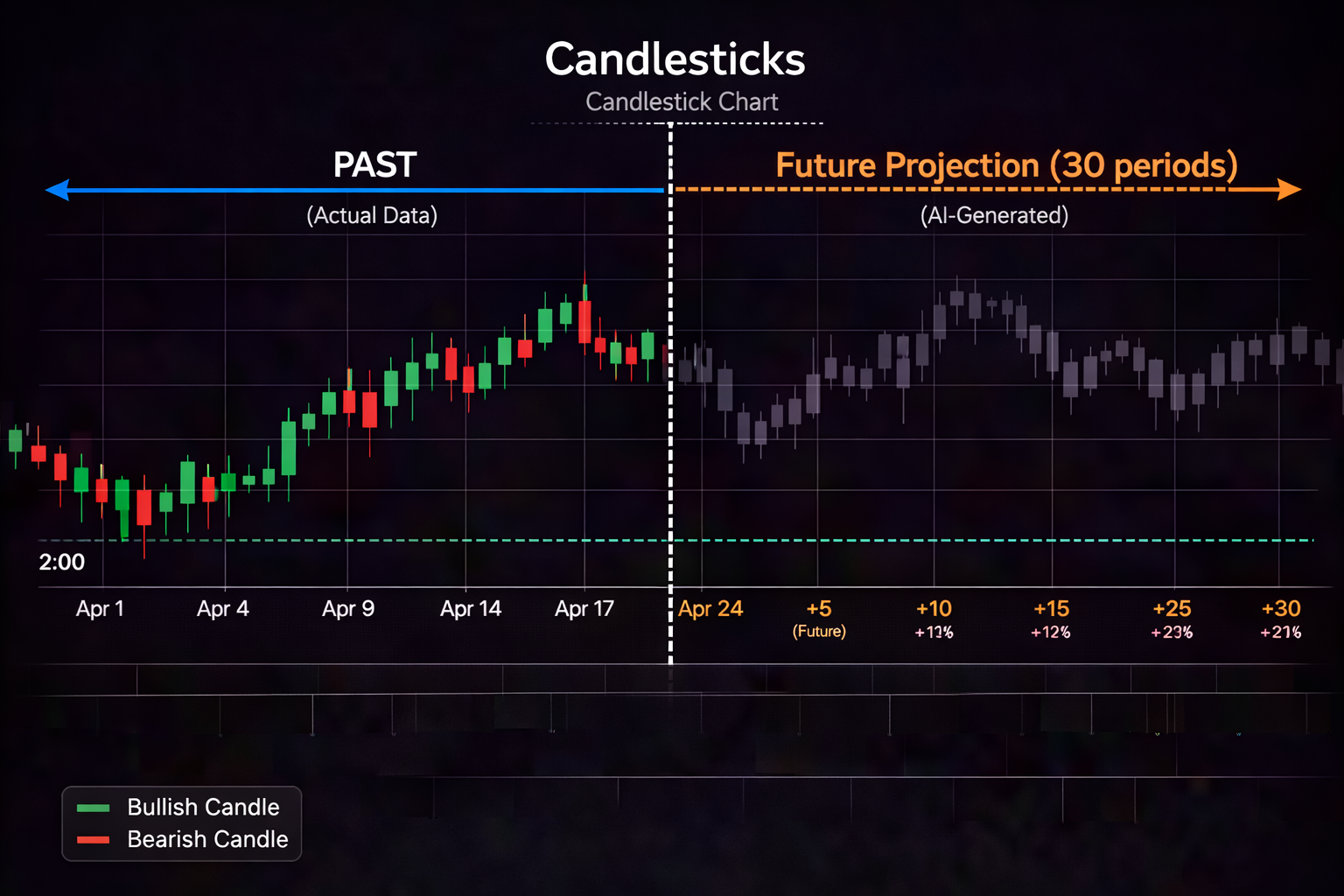
Solution: "Forward-looking indicator projection gives you 30-bar visibility into potential MACD crossovers, Stochastic extremes, and candlestick formations. Tools like PredictIndicators.ai deliver this across NinjaTrader 8, MT5, mobile devices, Mac, and web platforms."
Notice the product mention comes last, after establishing the problem and its consequences. The product serves the solution; the solution doesn't serve the product.
The Educational Context Method
Weave product mentions into educational explanations:
Instead of: "PredictIndicators.ai forecasts indicators. Buy it now."
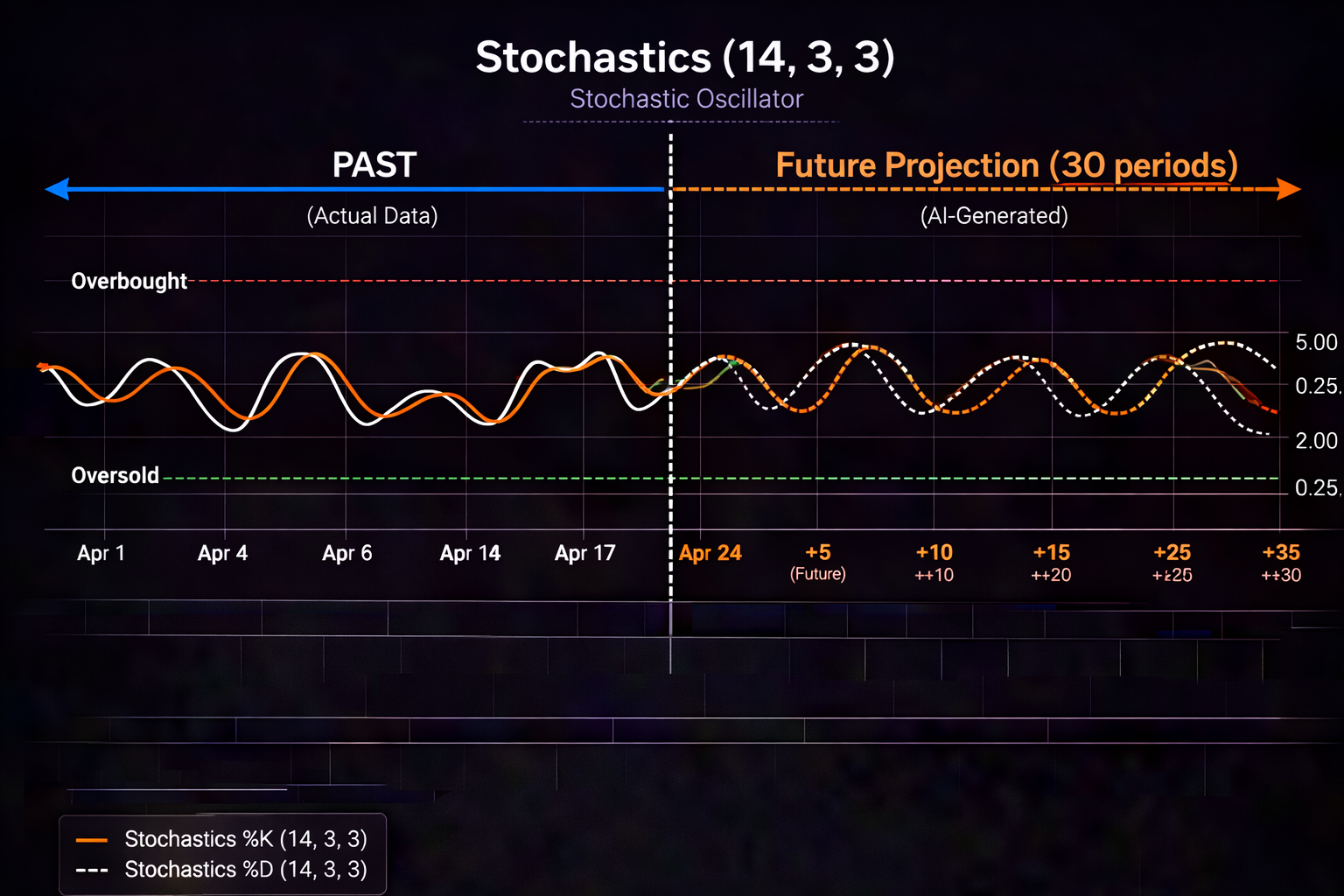
Write: "When you're analyzing a potential swing entry, knowing where Stochastics might be 30 bars ahead changes your assessment. If the projection shows approaching overbought conditions, you might reduce position size or tighten stops. This forward-looking context is available through tools like PredictIndicators.ai, which operates across NinjaTrader 8, MT5, iPhone, iPad, Android, Mac, and web browsers."
The second version teaches something (using projections for risk decisions) while mentioning the product as an example of how that teaching applies. Education leads; product follows.
The Platform Neutrality Principle
When mentioning your tool, emphasize flexibility, not exclusivity:
Write: "AI forecasting tools work across multiple platforms—NinjaTrader 8, MT5, iPhone, iPad, Android devices, Mac applications, and web browsers. This flexibility means your forecasting education transfers wherever you trade."
This approach serves traders evaluating options while positioning your product as platform-agnostic (which PredictIndicators.ai actually is). You're informing, not cornering.
SEO Strategy for Trading Educational Content
Educational content only works if traders find it. SEO remains essential, but the approach has evolved beyond keyword stuffing.
Search Intent Alignment
Modern SEO prioritizes search intent over keyword density. When traders search "best trading mentorship programs," they want comparative analysis, not course sales pages. When they search "AI trading tools explained," they want transparent explanations, not accuracy claims.
Align your content with what searchers actually want:
Informational queries → comprehensive guides
Comparative queries → balanced evaluations
Problem queries → solution frameworks
PredictIndicators.ai's content targets these intents by delivering substantive education that answers searcher questions thoroughly, then naturally mentioning how the platform fits into those answers.
Long-Tail Keyword Targeting
Competitive head terms ("trading education," "AI trading") are dominated by established publishers. Long-tail phrases ("how to use AI forecasting in swing trading," "best indicator projection tools for retail traders") offer realistic ranking opportunities.
Long-tail targeting works best when:
Content addresses specific trader scenarios
Headings incorporate natural language queries
Meta descriptions answer search questions directly
Internal links connect related long-tail content
The multi-platform angle—creating content for "NinjaTrader AI forecasting," "MT5 indicator projection," "iPhone trading AI," etc.—multiplies long-tail opportunities while serving traders on different platforms.
Content Clustering
Search engines reward topical authority. Create content clusters around themes:
Cluster: AI Forecasting
"What is AI forecasting for traders?"
"How to integrate AI projections into existing strategies"
"Understanding 30-bar indicator forecasting"
"AI forecasting across trading platforms"
Cluster: Risk Management
"Position sizing for retail traders"
"Using forward-looking data for stop placement"
"Managing risk when trading with AI insights"
"Correlation awareness in multi-platform trading"
Interlink cluster content to signal topical depth. This improves rankings for all cluster pages while helping traders navigate related concepts.
Content Distribution Strategies
Creating great content is half the battle. Getting it in front of traders requires deliberate distribution.
Organic Social Sharing
Twitter (X), LinkedIn, and trading forums remain effective for educational content distribution. Key principles:
Share insights, not links ("Here's what most traders miss about divergences... [link]")
Engage with comments (reply thoughtfully, don't auto-post)
Post consistently (3-5 times per week minimum)
Vary content types (articles, quick tips, questions, case studies)
Avoid promotional language in social posts. "New blog post: Educational content strategies for traders" performs worse than "Most trading content fails because it teaches nothing. Here's how to fix it: [link]."
Community Participation
Trading communities (Reddit r/algotrading, r/wallstreetbets, TradingView forums, NinjaTrader forums) reward genuine contribution. Share educational content when it answers community questions, not as regular promotion.
Effective community participation:
Answer questions thoroughly before linking
Link only when content directly addresses the question
Disclose affiliation transparently ("I write for PredictIndicators.ai")
Engage with follow-up comments (don't post-and-ghost)
Communities detect self-promotion instantly. They reward educators who genuinely help.
Email Nurturing
For subscribers, email delivers content directly. Best practices:
Weekly digests of new content (don't spam daily)
Exclusive insights for subscribers (give them something non-subscribers don't get)
Personalized subject lines ("John, this week's divergence guide")
Email metrics (open rates, click-through, unsubscribes) provide direct feedback on content resonance. Monitor these closely and adjust accordingly.
Measuring Educational Content Performance
Not all content performs equally. Measurement helps you double down on what works and improve what doesn't.
Engagement Metrics
Track these indicators:
Time on page (longer indicates deeper engagement)
Scroll depth (are readers finishing articles?)
Internal link clicks (are they exploring more content?)
Return visitor rate (are they coming back?)
Social shares (are they recommending?)
High time-on-page with low scroll depth might indicate confusing content. High scroll depth with low return rate might indicate one-hit value without ongoing relevance. Diagnose and adjust.
SEO Performance
Monitor search rankings for target keywords, organic traffic growth, and backlink acquisition. Educational content that ranks and earns links compounds over time.
Tools like Google Search Console show which queries drive traffic. Double down on topics that rank; improve or retire topics that don't.
Conversion Indicators
Educational content shouldn't directly "convert" in the sales sense. But it should move traders down the trust funnel:
Email list growth (content-driven signups)
Trial requests (content-influenced evaluations)
Demo downloads (product interest after education)
Community mentions (organic advocacy)
Track these indirectly. Attribute trials and signups to content sources. Identify which articles precede conversion actions. Produce more of that content.
Platform-Specific Content Considerations
Traders on different platforms have different needs. Tailor content accordingly while maintaining core educational value.
NinjaTrader 8 Traders
Desktop-focused, often swing or position traders. Content should address:
Multi-timeframe analysis workflows
Indicator customization and optimization
Integration with existing NT8 tools
Workstation setup best practices
PredictIndicators.ai content for NT8 traders emphasizes seamless plugin integration, forecasting across timeframes, and desktop workflow optimization.
MetaTrader 5 Traders
Global audience, forex and CFD focus. Content should address:
Currency pair analysis frameworks
Session timing and liquidity considerations
MT5-specific indicator implementation
Broker selection and execution quality
MT5 content emphasizes forex-specific applications of AI forecasting, session-aware analysis, and global market considerations.
Mobile Traders (iPhone, iPad, Android)
On-the-go, time-constrained. Content should address:
Quick setup checks during commutes
Mobile chart reading techniques
Notification-based opportunity alerts
Touch interface optimization
Mobile content respects time constraints while delivering substantive education. "5-Minute Morning Setup Check with AI Forecasting" serves mobile traders better than 3,000-word deep-dives.
Mac Traders
Often coming from Windows, platform-transition concerns. Content should address:
Mac trading software options
Performance optimization on macOS
Cross-platform workflow continuity
Mac-specific trading tools
Mac content acknowledges platform differences while emphasizing forecasting consistency across operating systems.
Web Traders
Accessibility-focused, browser-based. Content should address:
Browser-based trading best practices
Cloud platform advantages and limitations
Web interface optimization
Universal access scenarios
Web content emphasizes accessibility and universality while delivering platform-agnostic educational value.
Monthly keyword research identifies gaps in your content library. Use tools like Ahrefs, SEMrush, or Google Keyword Planner to find trader queries with reasonable search volume and achievable competition levels.
Prioritize topics that:
Align with trader pain points
Allow natural product integration
Build topical authority clusters
Target underserved long-tail queries
Content Briefs
Before writing, create briefs outlining:
Target keyword and search intent
Key sections and subheadings
Product integration points (natural, not forced)
Internal linking opportunities
Call-to-action (soft, educational: "Learn more" not "Buy now")
Briefs ensure consistency and prevent off-topic drifting during writing.
Writing and Optimization
Write for humans first, search engines second. Natural language outranks keyword-stuffed content. After drafting, optimize:
Title tag (include primary keyword naturally)
Meta description (answer search question directly)
Heading hierarchy (H1, H2, H3 with keyword variations)
Internal links (connect to related content)
Image alt text (descriptive, keyword-aware)
URL slug (clean, readable, keyword-inclusive)
Publication and Promotion
Publish on consistent schedule (e.g., every Tuesday). Promote via:
Social shares (platform-native formats)
Email digest (weekly roundup)
Community mentions (where relevant)
Internal newsletter (team/agent awareness)
Track initial performance. If content underperforms after 2-3 weeks, diagnose and adjust (title, meta, internal linking, promotion channels).
Final Thoughts: Education as Trust-Building
Educational content strategies for traders in 2026 prioritize value over velocity. You're not racing to publish; you're building to endure. Each article should leave traders smarter, not sold to.
PredictIndicators.ai exemplifies this approach across all platforms—NinjaTrader 8, MT5, iPhone, iPad, Android, Mac, and web. Content educates about AI forecasting integration, risk management with forward-looking data, and multi-platform trading fluency. Product mentions serve the education; education doesn't serve the product.
This inversion—product serving education, not education serving product—creates lasting trust. Traders return because they learn, not because they're marketed to. They share because they value, not because they're incentivized. They convert because they trust, not because they're cornered.