Your trend-following strategy crushed it last month. +22%. Best runs ever. You feel unstoppable.
This month: -9%. Whipsaws. False breakouts. Stop hunts. You're doing the same thing—getting different results.
Problem: Your strategy didn't break. The market regime changed. You're running trend strategies in a choppy range. It's like putting snow tires on in July—they're great, just wrong for the season.
Market regime detection solves this by identifying current conditions (trending, range-bound, high volatility, low volatility) and adapting your approach accordingly. Not forcing square strategies into round holes.
For retail traders, regime detection means:
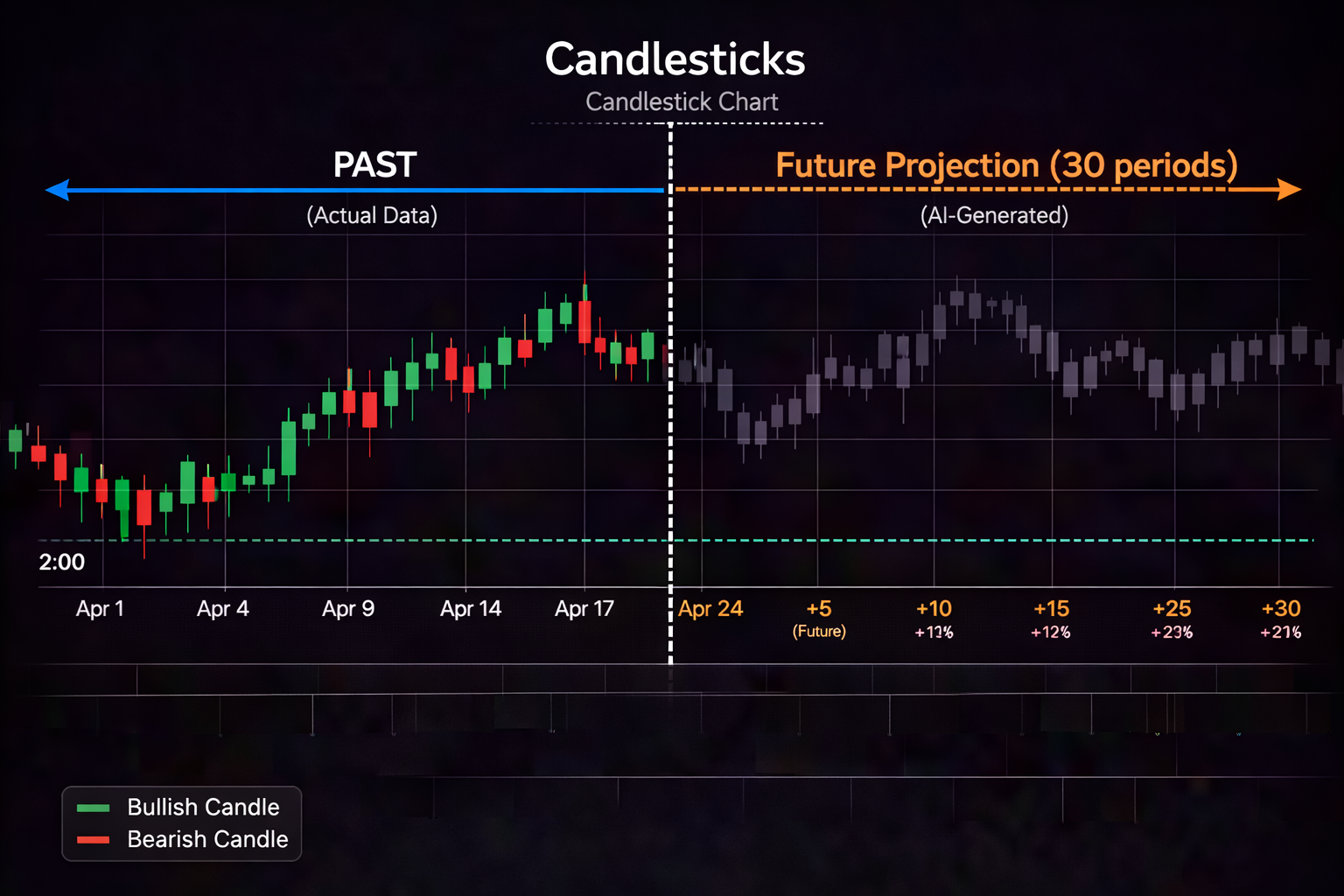
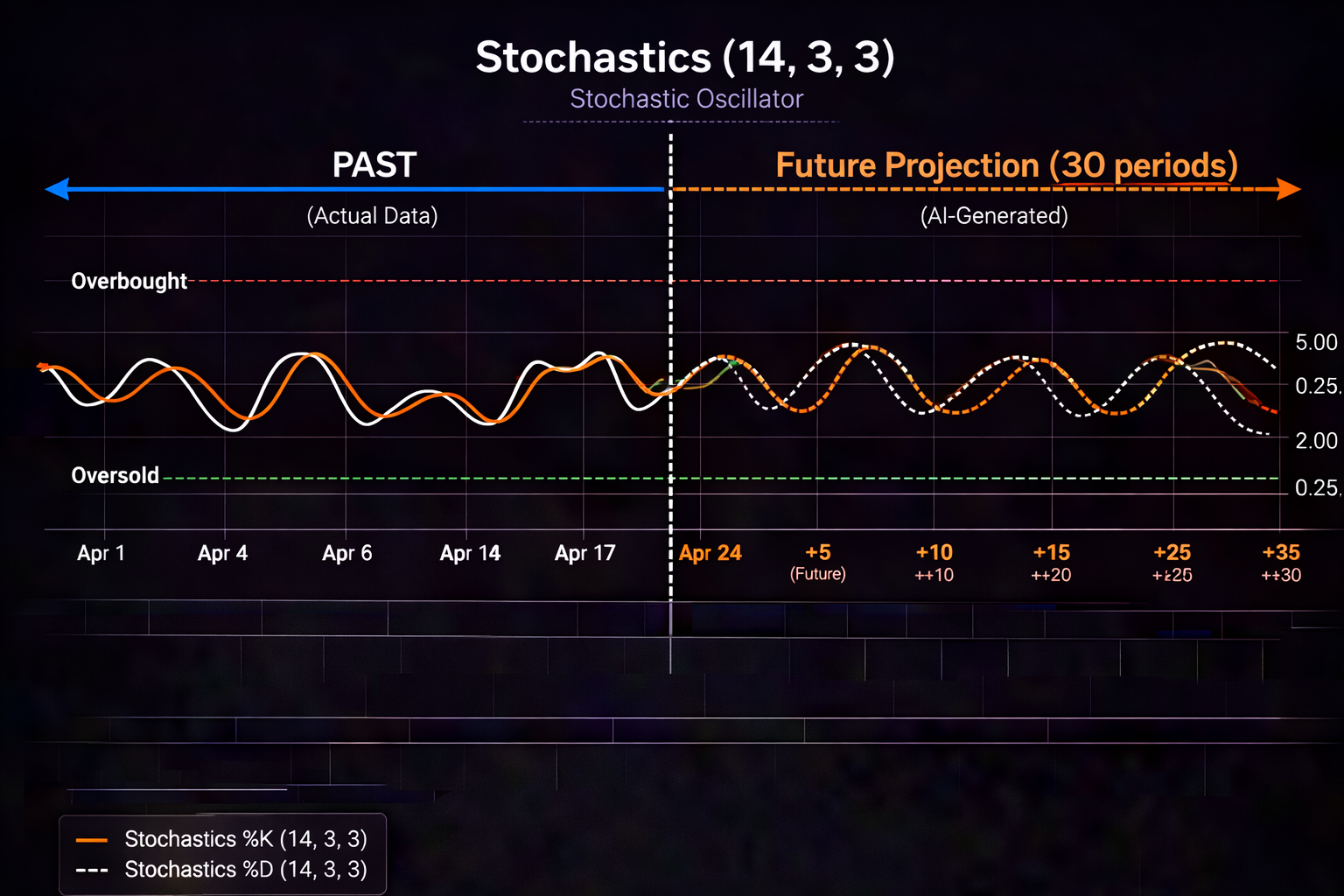
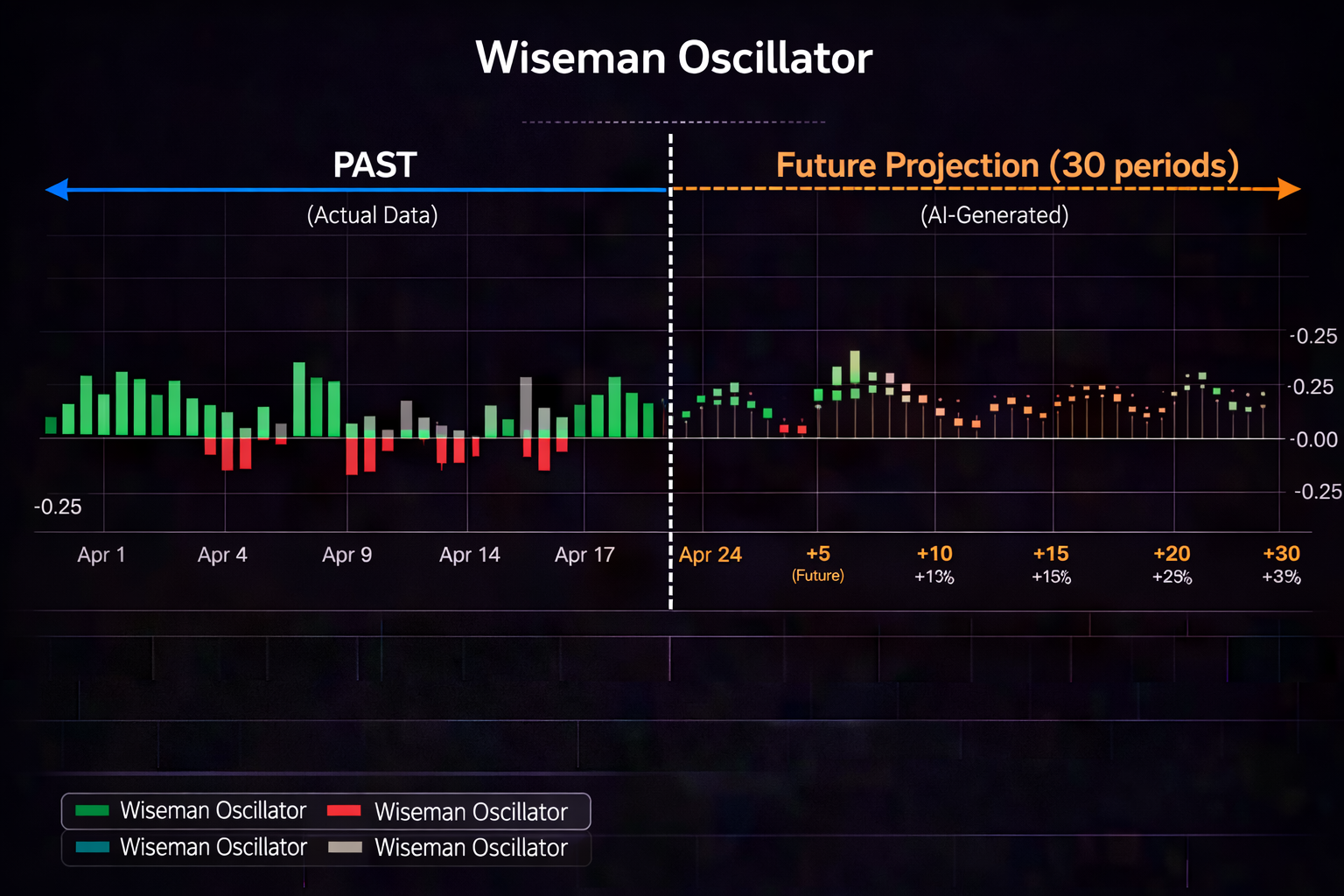
AI-powered tools like PredictIndicators.ai add a critical edge: 30-bar forecasts that signal regime transitions before they're obvious on chart. This works across all platforms: NinjaTrader 8, MetaTrader 5, iPhone, iPad, Android, Mac app, and web app.
Markets cycle through four primary regimes. Each rewards different strategies. Each punishes misaligned approaches.
CHARACTERISTICS:
- Higher highs + higher lows (bullish trend)
- Lower highs + lower lows (bearish trend)
- Pullbacks shallow (20-38% retrace common)
- Momentum sustained (3-10+ bars in direction)
- Volume confirms moves (trend bars > counter-trend bars)

BEST STRATEGIES:
✓ Trend continuation entries (pullback buys in uptrend, rally sells in downtrend)
✓ Breakout trades (with trend, not counter-trend)
✓ Momentum entries (MACD/Stoch aligned with trend)
✓ Hold trades longer (let winners run—trend sustains)

WORST STRATEGIES:
✗ Mean reversion (fading moves gets stopped)
✗ Counter-trend entries (trying to pick tops/bottoms)
✗ Quick targets (1:1 gets hit, but trend keeps going—missed 2:1+)

REGIME DETECTION SIGNALS:
- ADX > 25 (trend strength confirmed)
- Price > 50 EMA and 200 EMA (bullish) or < both (bearish)
- PredictIndicators.ai forecast: Trend continuation predicted 30 bars ahead
Trading counter-trend in trending regime = getting run over. Trading with trend = compounding.
CHARACTERISTICS:
- Price oscillating between clear support/resistance
- No sustained momentum (1-3 bar moves common)
- False breaks frequent (breakout fails, reverses)
- Volume mixed (no clear directional conviction)
- ATR compressed (lower volatility than trending)

BEST STRATEGIES:
✓ Mean reversion (fade extensions back to mean)
✓ Support buys / resistance sells (range boundaries)
✓ Quick targets (1:1 to 1.5:1 realistic, 2:1 rare)
✓ Tight stops (ranges respect levels cleanly)

WORST STRATEGIES:
✗ Trend following (pullbacks become reversals—stopped)
✗ Breakout trades (false breaks = stop hunts)
✗ Holding for runners (ranges don't trend—take profits)

REGIME DETECTION SIGNALS:
- ADX < 20 (trend strength weak)
- Price oscillating around 50 EMA (no clear bias)
- ATR declining (volatility compressing)
- PredictIndicators.ai forecast: Range-bound/choppy regime predicted 30 bars ahead
Trading trend strategies in range = whipsaw death. Trading range strategies = grinding profits.
CHARACTERISTICS:
- Large bars (2-3x normal range)
- Gap opens common (overnight/news-driven)
- Wh ipsaw frequent (both sides get stopped)
- ATR elevated (2x+ normal levels)
- Volume spikes (heavy participation, but conflicting)

BEST STRATEGIES:
✓ Reduced position size (0.5% risk vs. normal 1%)
✓ Wider stops (accommodate volatility—don't get hunted)
✓ Quick targets (take profits before reversal)
✓ Stay-out periods (wait for clarity—no FOMO)

WORST STRATEGIES:
✗ Normal size (1% risk = too much for volatility)
✗ Tight stops (get hunted immediately)
✗ Holding through volatility (reversals erase gains)

REGIME DETECTION SIGNALS:
- ATR > 2x normal (volatility elevated)
- Large bars frequent (3+ consecutive large ranges)
- Gap opens common (overnight volatility)
- PredictIndicators.ai forecast: High volatility predicted 30 bars ahead (elevated ATR forecast)
Trading normal size in high vol = account bleed. Trading reduced size = survival until clarity returns.
CHARACTERISTICS:
- Small bars (0.5x normal range)
- Slow grind (no impulsive moves)
- False breaks rare (but follow-through also weak)
- ATR depressed (0.5x normal levels)
- Volume light (low participation)

BEST STRATEGIES:
✓ Patience (wait for expansion—don't force trades)
✓ Smaller targets (1.5:1 realistic—2:1 rare without vol)
✓ Selective entries (only high-confidence setups)
✓ Reduce trade frequency (not every bar = opportunity)

WORST STRATEGIES:
✗ Overtrading (forcing entries in dead market)
✗ Large targets (2:1+ rare without expansion)
✗ Impatience (chopping from boredom)

REGIME DETECTION SIGNALS:
- ATR < 0.5x normal (volatility depressed)
- Small bars consecutive (5+ bars with small range)
- Volume below average (light participation)
- PredictIndicators.ai forecast: Low volatility predicted 30 bars ahead (compressed ATR forecast)
Forcing trades in low vol = frustration + commissions bleed. Patience = capital preserved for expansion.
ADX (Average Directional Index) quantifies trend strength. Not direction—strength.
ADX READINGS:
- ADX > 25: Trending regime (strong directional movement)
- ADX 20-25: Transitioning (trend forming or decaying)
- ADX < 20: Range-bound regime (weak directional movement)

APPLICATION:
ADX > 25 → run trend strategies
ADX < 20 → run range strategies
ADX 20-25 → prepare for transition (reduce size, wait for confirmation)
ATR (Average True Range) quantifies volatility. Compare current ATR to 20-bar average.
ATR READINGS (vs. 20-bar average):
- ATR > 1.5x average: High volatility regime
- ATR 0.8-1.2x average: Normal volatility
- ATR < 0.6x average: Low volatility regime

APPLICATION:
High ATR → reduce size (0.5% risk), widen stops, quick targets
Normal ATR → standard size (1% risk), standard stops/targets
Low ATR → reduce frequency, smaller targets (1.5:1), patience
Price structure confirms regime. ADX says "trending." Price says "higher highs?"
BULLISH TREND STRUCTURE:
- Higher highs (HH)
- Higher lows (HL)
- Price > 50 EMA and 200 EMA
- Pullbacks shallow (20-38% retrace)

BEARISH TREND STRUCTURE:
- Lower highs (LH)
- Lower lows (LL)
- Price < 50 EMA and 200 EMA
- Rally shallow (20-38% retrace)

RANGE STRUCTURE:
- No clear HH/HL or LH/LL
- Price oscillating around 50 EMA
- Clear support/resistance boundaries
- Respect for range extremes

APPLICATION:
Structure + ADX aligned → high confidence regime call
Structure + ADX conflicting → transition regime (caution)
AI-powered tools like PredictIndicators.ai forecast regime characteristics 30 bars ahead:
PREDICTIVE REGIME SIGNALS:

FORECAST: Bullish trend continuation (30 bars ahead)
- MACD forecast: Bullish crosses dominant
- Price forecast: Higher highs/lowspersist
- ATR forecast: Moderate (not compressed, not elevated)
→ RUN TREND STRATEGIES (next 30 bars)

FORECAST: Range-bound/choppy (30 bars ahead)
- MACD forecast: Mixed (no clear directional bias)
- Price forecast: Oscillating around mean
- ATR forecast: Compressed (declining)
→ RUN RANGE STRATEGIES (next 30 bars)

FORECAST: High volatility (30 bars ahead)
- MACD forecast: Whipsaw potential (crosses both directions)
- Price forecast: Large bars, gaps possible
- ATR forecast: Elevated (2x+ normal)
→ REDUCE SIZE, WIDEN STOPS, QUICK TARGETS

PREDICTIVE ADVANTAGE:
You're not reacting to regime change.
You're positioning BEFORE it fully manifests.
This works identically across all PredictIndicators.ai platforms (NinjaTrader 8, MT5, iPhone, iPad, Android, Mac app, web app). Regime forecasting is platform-agnostic.
Once you detect regime, adapt strategy mix. Don't force misaligned setups.
PRIMARY STRATEGIES (70% of trades):
1. Trend pullback entries (buy pullbacks in uptrend, sell rallies in downtrend)
   - Entry: PredictIndicators.ai forecast trend continuation + price at support
   - Stop: Below pullback low (uptrend) or above rally high (downtrend)
   - Target: 2.5:1 minimum (trends run—let winners work)

2. Breakout with trend (trade breakouts in trend direction)
   - Entry: Break of structure + forecast confirmation
   - Stop: Below breakout level (long) or above (short)
   - Target: 2:1 minimum

SECONDARY STRATEGIES (30% of trades):
3. Momentum continuation (MACD/Stoch aligned with trend)
   - Entry: Momentum signal + trend alignment
   - Stop: Per structure
   - Target: 2:1 minimum

AVOID:
- Mean reversion (fading trend = getting run over)
- Counter-trend entries (picking tops/bottoms in trends = low prob)
PRIMARY STRATEGIES (70% of trades):
1. Support buys / resistance sells (fade range extremes)
   - Entry: Price at range boundary + mean reversion forecast
   - Stop: Just outside range (false break protection)
   - Target: 1.5:1 (ranges don't trend—take profits)

2. Mean reversion (fade extensions back to mean)
   - Entry: Price extended from mean + reversion forecast
   - Stop: Beyond extension extreme
   - Target: Mean retrace (1:1 to 1.5:1)

SECONDARY STRATEGIES (30% of trades):
3. False break fades (trade failed breakouts)
   - Entry: Break fails + price reverses into range
   - Stop: Beyond false break extreme
   - Target: Opposite range boundary

AVOID:
- Trend following (pullbacks become reversals)
- Breakout trades (false breaks = stop hunts)
- Runner targets (2:1+ rare in ranges)
PRIMARY APPROACH (capital preservation):
1. Reduced size: 0.5% risk per trade (vs. normal 1%)
2. Wider stops: 1.5x normal stop distance (avoid hunt)
3. Quick targets: 1.5:1 max (take profits before reversal)
4. Selective entries: Only high-confidence forecasts (skip marginal)

IF VOLATILITY EXTREME (3x+ normal ATR):
- Stay out entirely (wait for clarity)
- No FOMO ("I should be trading" = dangerous in high vol)

WHY:
High vol = both sides get stopped.
Survival > opportunity.
Wait for regime normalization.
PRIMARY APPROACH (patience):
1. Reduced frequency: 2-3 trades/day (vs. normal 5-8)
2. Smaller targets: 1.5:1 realistic (2:1 rare without expansion)
3. High-confidence only: Skip medium/low forecasts
4. Wait for expansion: Don't force entries in dead market

WHY:
Low vol = follow-through weak.
Forcing trades = chop + commissions.
Patience = capital preserved for expansion.
Regimes don't switch instantly. They transition. This is where traders bleed—old regime strategies die, new regime strategies haven't kicked in.
TRANSITION SIGNALS:
- ADX moving 20-25 (trend strengthening or decaying)
- ATR expanding or compressing (volatility shifting)
- Price structure breaking (HH/HL → no clear structure, or vice versa)
- PredictIndicators.ai forecast: Regime change predicted 30 bars ahead

TRANSITION MANAGEMENT:
1. Reduce size: 0.7% risk (vs. normal 1%)
2. Reduce frequency: Fewer trades (wait for clarity)
3. Tighter stops: Protect capital in uncertainty
4. Pause new strategies: Don't ramp up until regime confirms

TRANSITION → CONFIRMED:
- ADX crosses 25 (trending confirmed) or drops <20 (range confirmed)
- ATR stabilizes (new volatility level established)
- Price structure clear (new regime structure visible)
- Resume normal size (1% risk) and strategy mix

WHY:
Transition = highest uncertainty.
Capital preservation > opportunity capture.
Trader: "We're in a range!" (after 15 whipsaw losses in trending market)
Fix: Use predictive forecasts. PredictIndicators.ai signals regime 30 bars ahead—position before wh ipsisaw starts.
Trader: "I trade breakouts. Always." (Even in choppy ranges where breakouts fail 80%)
Fix: Adapt strategy mix per regime. Breakouts in trends = great. Breakouts in ranges = suicide.
Trader: "1% risk always." (Even in high vol where stops get hunted immediately)
Fix: Adjust size per regime. High vol = 0.5%. Low vol = reduced frequency. Normal vol = 1%.
Trader detects regime on NinjaTrader 8, trades on iPhone without checking current conditions. Regime shifted while traveling.
Fix: Use tools that maintain consistency across platforms. PredictIndicators.ai provides uniform forecasting on all eight platforms (NinjaTrader 8, MT5, iPhone, iPad, Android, Mac app, web app). Regime detection stays intact whether at desk or mobile.
David traded ES futures for 5 years. Pattern: great months followed by devastating givebacks. He started regime detection:
- Strategy: "Trend follow always" (no adaptation)
- Size: 1% always (no vol adjustment)
- Trending months: +18% (crushed it)
- Range months: -14% (wh ipsawed)
- High vol months: -11% (stopped repeatedly)
- Net year: +8% (volatile, frustrating)
IMPLEMENTED:
1. ADX monitoring (trend strength check daily)
2. ATR monitoring (volatility level check daily)
3. PredictIndicators.ai regime forecasts (30-bar anticipation)
4. Strategy adaptation (trending→trend strategies, range→range strategies)
5. Size adjustment (high vol→0.5%, normal→1%, low vol→reduced frequency)

RESULTS YEAR 5:
- Trending months: +15% (slightly lower—didn't overbet)
- Range months: +4% (grinded instead of losing -14%)
- High vol months: -2% (survived instead of -11%)
- Low vol months: +1% (patient instead of choplosses)
- Net year: +24% (3x Year 4, half the stress)

REGIME CALL ACCURACY:
- Correct regime identification: 87% (per monthly review)
- Strategy alignment: 91% (ran right strategies for regime)
- Size adaptation: 94% (adjusted per volatility)
David didn't get better entries. He got regime-aware. He stopped forcing strategies into wrong conditions.
He monitored regimes on NinjaTrader 8 and the iPhone app identically—regime shifts didn't blindside him while traveling. His regime awareness traveled with him.
"But I want to predict the market!" "I should know where it's going!"
You're not predicting price. You're identifying conditions. Conditions dictate which strategies work. Which die.
Regime detection gives you:
AI-powered tools like PredictIndicators.ai make this accessible: regime forecasts 30 bars ahead, ATR expansion/compression prediction, trend continuation signals—on every platform (NinjaTrader 8, MetaTrader 5, iPhone, iPad, Android, Mac app, web app).
Detect regime. Adapt strategy. Adjust size. Within 90 days, you'll stop bleeding in wrong conditions and start compounding in right ones.
Not because you predict better. Because you adapt.