Every retail trader has faced the same frustrating moment: you spot a setup, hesitate for three seconds wondering if it's the right entry, and by the time you commit, the move is already halfway done. Or worse—you pull the trigger, watch it go against you, and realize you ignored half your own rules because emotions clouded judgment.
This isn't a discipline problem. It's a decision latency problem. The gap between seeing opportunity and acting on it costs retail traders more than commission fees, slippage, or bad fills ever could.
Trading automation strategies solve this by removing hesitation, standardizing execution, and letting data—not adrenaline—drive every decision. But automation doesn't mean handing everything to a black-box algorithm. It means building a systematic approach where your edge compounds over time because you're no longer fighting yourself on every trade.
When institutions talk about automation, they're talking about infrastructure: FIX protocols, co-located servers, microsecond execution. That's not what retail traders need.
For retail traders, automation means three things:
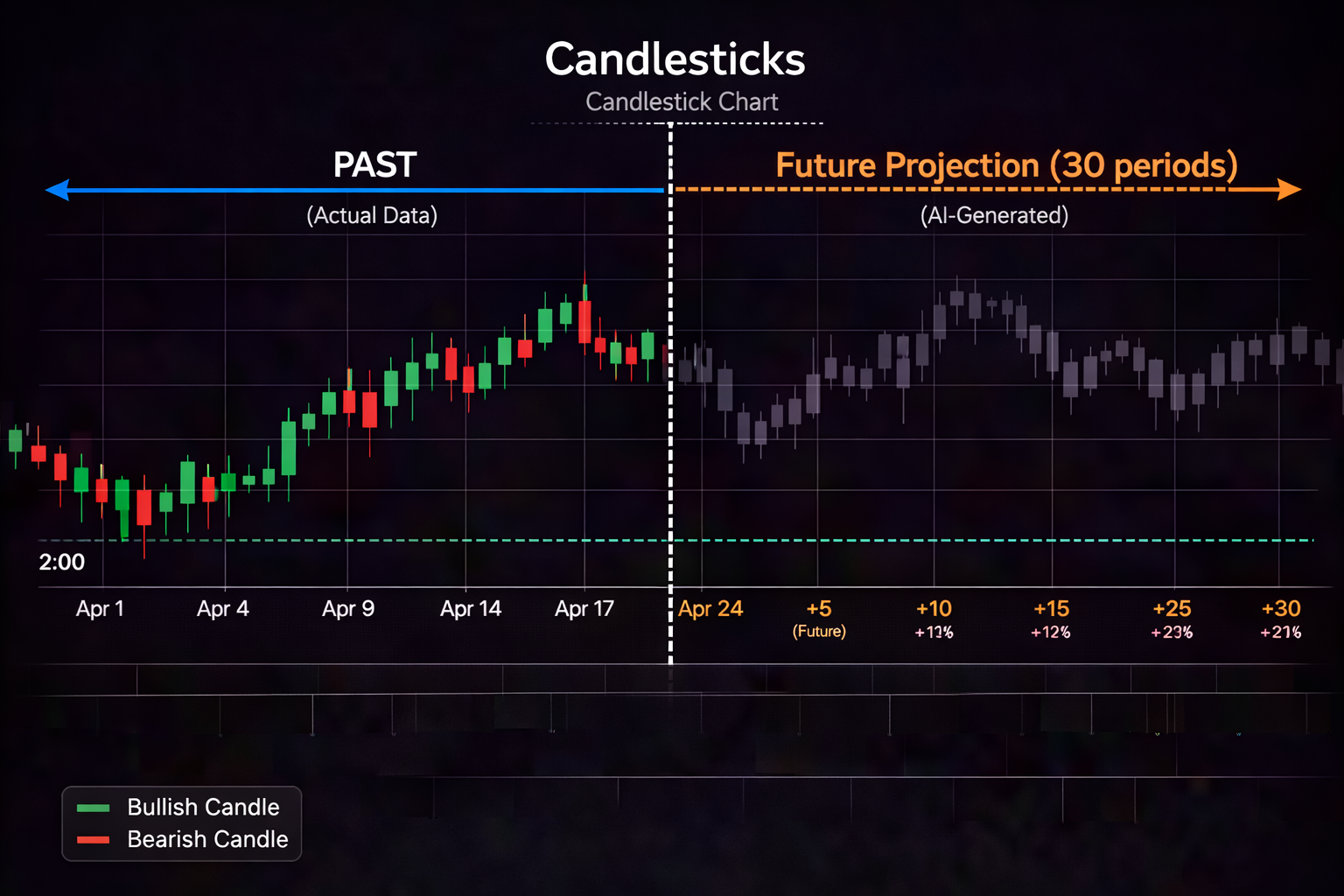
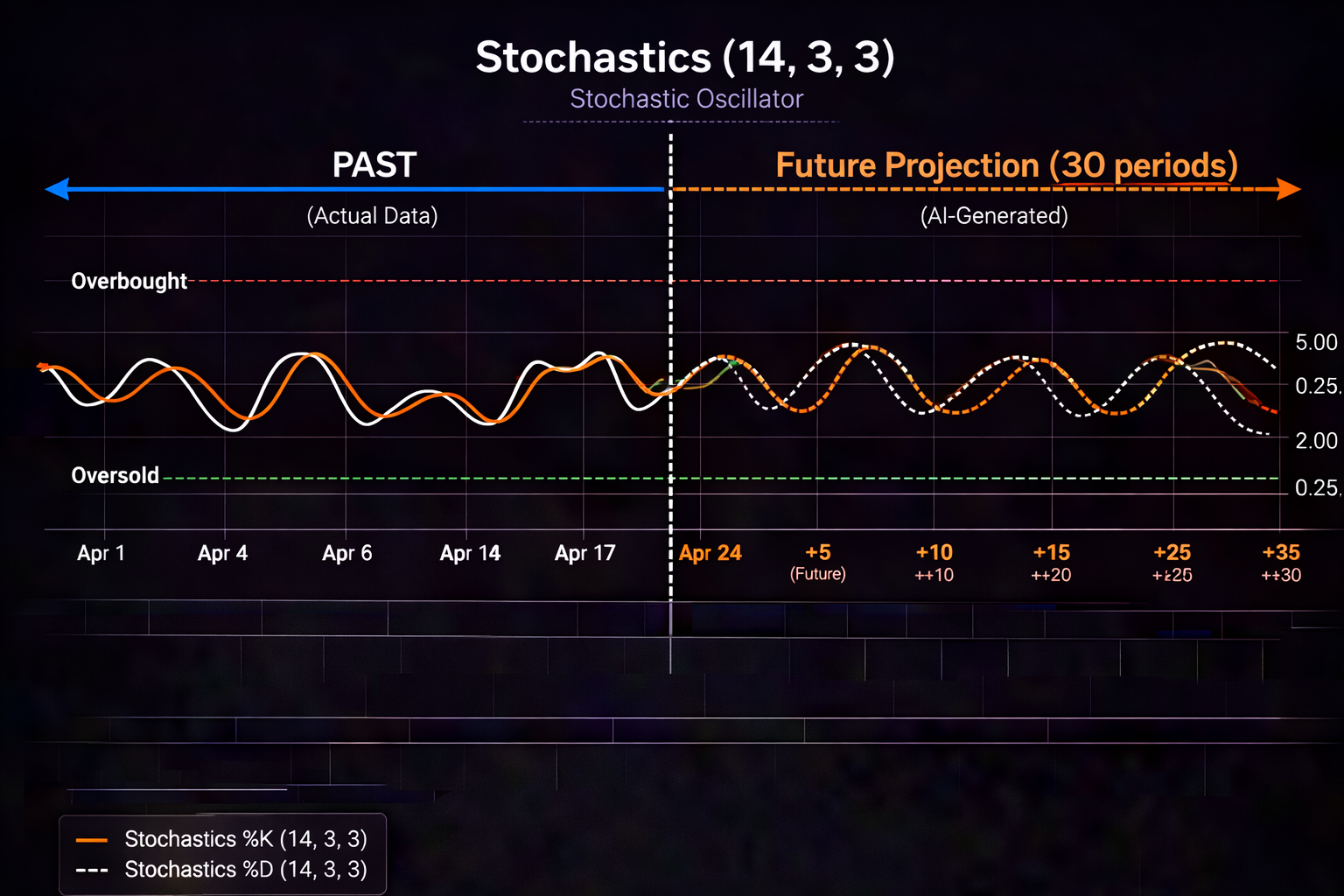
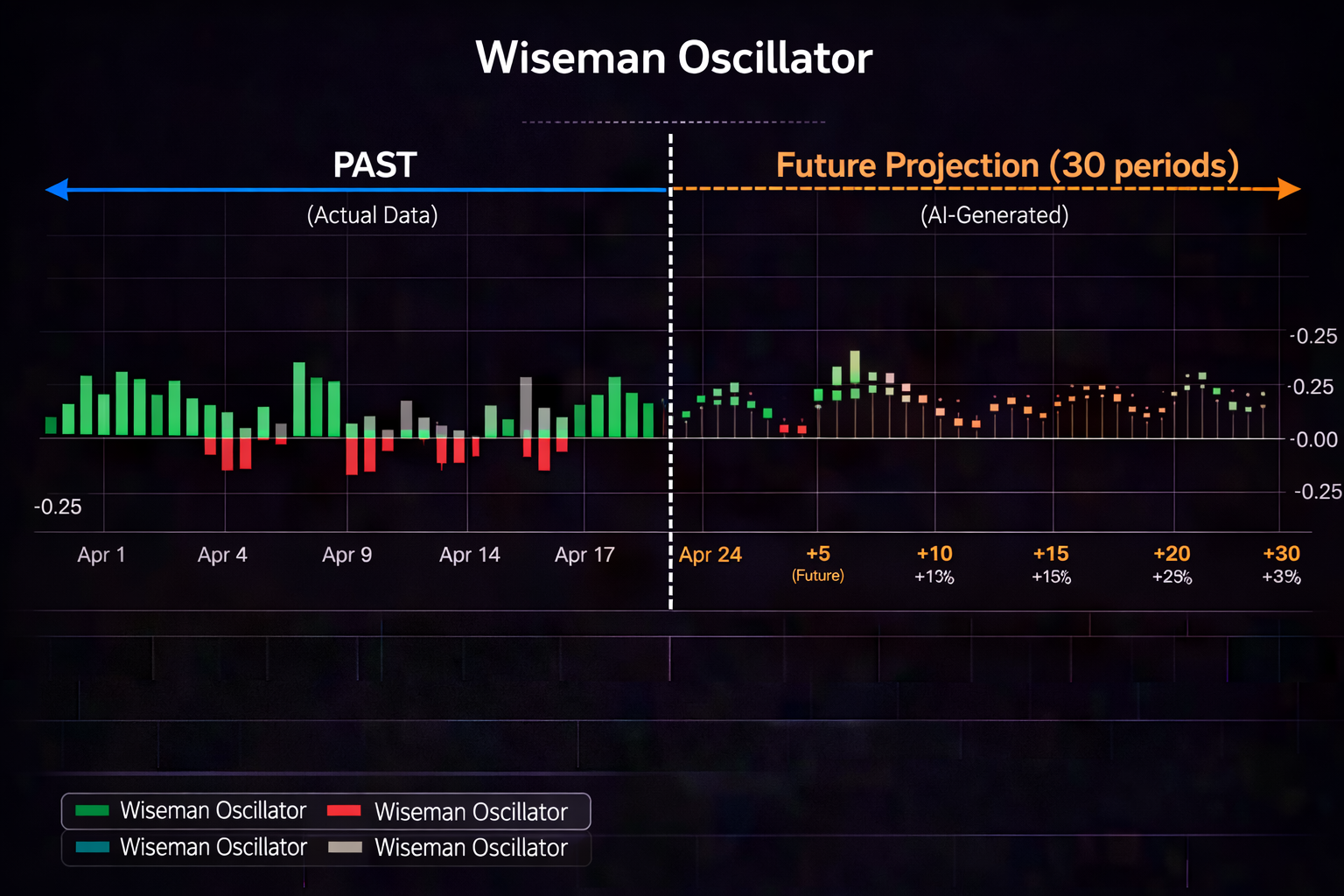
This is where tools like PredictIndicators.ai change the game. Instead of automating execution blindly, PredictIndicators.ai forecasts where your indicators and price action are heading 30 bars ahead—giving you time to plan entries, exits, and risk before the setup even matures. It works across all platforms: NinjaTrader 8, MetaTrader 5, iPhone, iPad, Android phones and tablets, Mac app, and web app. Wherever you trade, you get the same predictive edge.
Most retail traders drown in conflicting signals. MACD says buy. RSI says overbought. Stochastics are crossed but price hasn't confirmed. Your gut says "wait." Your FOMO says "now."
Signal automation means letting one authoritative source cut through the noise. That source should be:
PredictIndicators.ai delivers this by forecasting indicator behavior 30 bars ahead. If MACD is going to cross bullish in eight bars, you know it now—not when the cross already happened and half the move is gone. This transforms reactive trading into proactive positioning.
Even with clean signals, retail traders freeze. "Is this the right time? What if I miss? What if it fails?" Hesitation is the silent portfolio killer.
Decision automation means having pre-defined rules that trigger action when conditions are met. Not "think about it." Act on it.
Example workflow with PredictIndicators.ai:
This works the same way whether you're on desktop (NinjaTrader 8 or MT5) or mobile (iPhone, iPad, Android, Mac app, web app). The decision framework doesn't change with your device.
Retail traders lie to themselves in post-trade review. "That was a bad setup." (It wasn't—you broke your rule.) "I knew it would reverse." (You didn't—you held losers hoping they'd recover.)
Review automation means logging every trade with structured data: signal present? rule followed? outcome vs. expectation? No narrative. Just facts.
Over 50-100 trades, patterns emerge. You see where you break rules. You see which setups actually work (vs. which you think work). You stop blaming "market conditions" and start fixing your process.
Before adding any tool, write down what you will never compromise on:
These aren't suggestions. They're guardrails. Automation enforces them; you don't negotiate with them mid-trade.
Most traders add indicators until their chart looks like a Christmas tree. More signals ≠ better decisions.
Instead, add one predictive layer that clarifies everything else. PredictIndicators.ai does this by forecasting 30 bars ahead across MACD, Stochastics, ATR, DM, Wiseman, and candlestick patterns. You're not adding noise—you're adding clarity.
Platform note: PredictIndicators.ai works on all eight platforms—NinjaTrader 8, MetaTrader 5, iPhone, iPad, Android, Mac app, and web app. Your predictive edge doesn't disappear when you switch devices or trade on the go.
Write your rules like code. No ambiguity:
IF forecast = bullish MACD cross + price support hold
AND reward:risk >= 2:1
AND risk <= 1% account
THEN enter long, stop = swing low - 1 tick, target = 2x risk
If conditions don't match, you don't trade. No "I'll just take this one." No exceptions.
Schedule weekly review (30 minutes, same time every week):
This isn't "how did I feel this week?" This is data-driven iteration.
Automation magnifies whatever you feed it. If your rules are loose, automation makes you loosely consistent—which is worse than inconsistent.
Fix: Write rules before turning on any tool. Test them manually for 20 trades. If they work, then automate.
Retail traders don't need millisecond execution. They need intelligent execution. Blind automation ("signal fires = trade") ignores context: market regime, news events, liquidity conditions.
Fix: Keep human oversight. Automation informs; you decide. PredictIndicators.ai exemplifies this—it forecasts, you plan and execute with context.
Many traders build automation for desktop, then lose it when traveling or trading on mobile. Your edge shouldn't vanish because you switched devices.
Fix: Choose tools that work across all platforms. PredictIndicators.ai runs on NinjaTrader 8, MT5, iPhone, iPad, Android, Mac app, and web app—so your automation travels with you.
P&L is noisy. A lucky trade can mask broken process. A stopped-out trade can hide great execution.
Better metrics for automation success:
These measure process quality, which drives long-term P&L. Chasing P&L directly leads to overtrading, revenge trading, and rule-breaking.
Sarah traded ES futures for three years. She had solid indicator knowledge but bled money from hesitation and second-guessing. Her typical pattern:
She started using PredictIndicators.ai to forecast MACD crosses 30 bars ahead. New pattern:
Result: Same win rate, but average reward:risk went from 1.4:1 to 2.3:1. Her edge didn't change—her timing did.
This works identically whether Sarah trades on NinjaTrader 8 at her desk, MT5 at her laptop, or the iPhone app while traveling. Platform doesn't dictate process.
Retail traders don't compete with institutions on execution speed. You compete on decision quality and consistency.
Trading automation strategies give you:
Tools like PredictIndicators.ai make this accessible: forecasting 30 bars ahead on every platform you use (NinjaTrader 8, MetaTrader 5, iPhone, iPad, Android, Mac app, web app). You're not automating blindly—you're automating intelligently, with predictive insight guiding every decision.
Start with one layer. Master it. Add the next. Within 90 days, you'll trade with consistency that felt impossible before. Not because you're fighting harder—but because you're fighting less.