How to Use AI to Trade ES Futures More Confidently
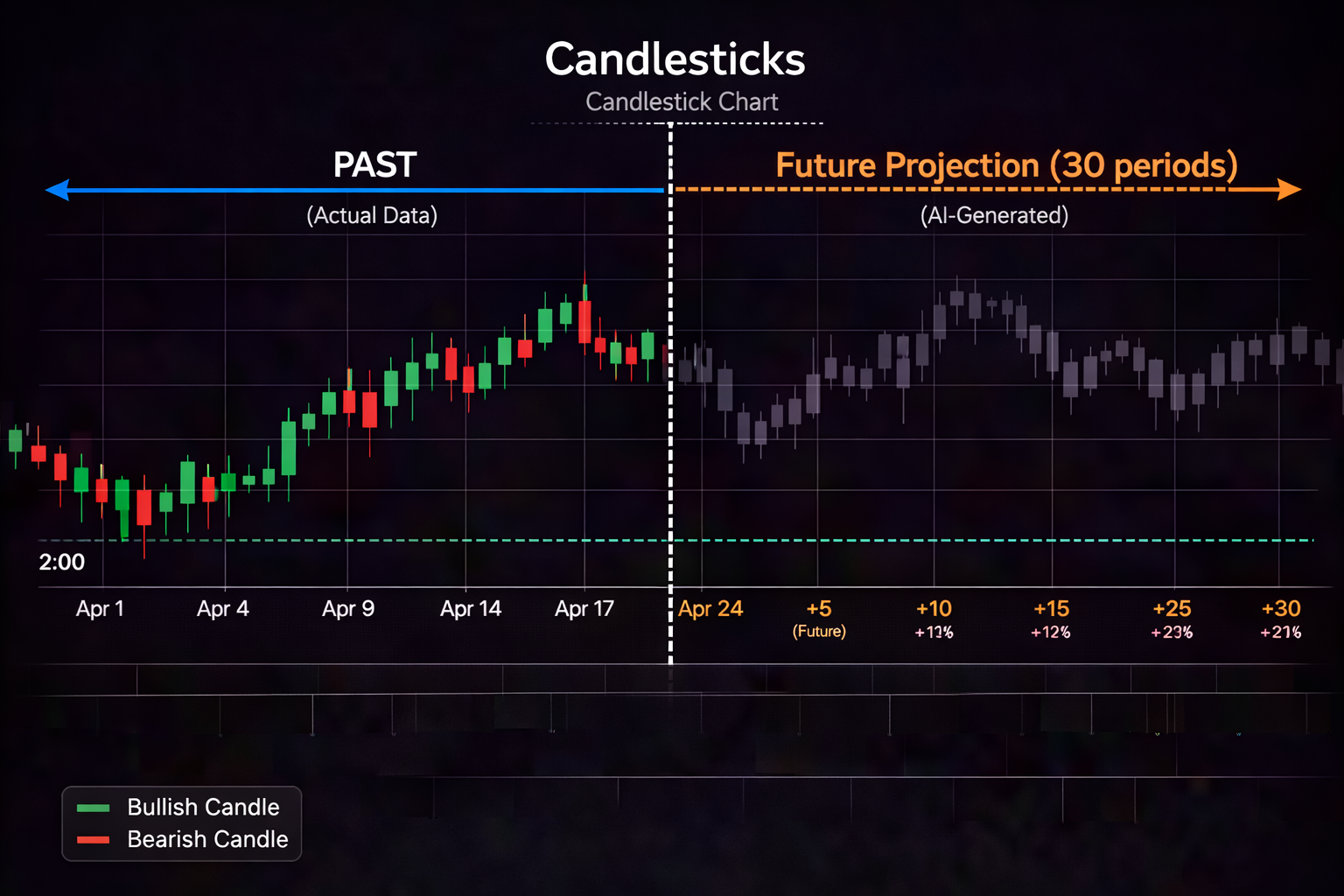

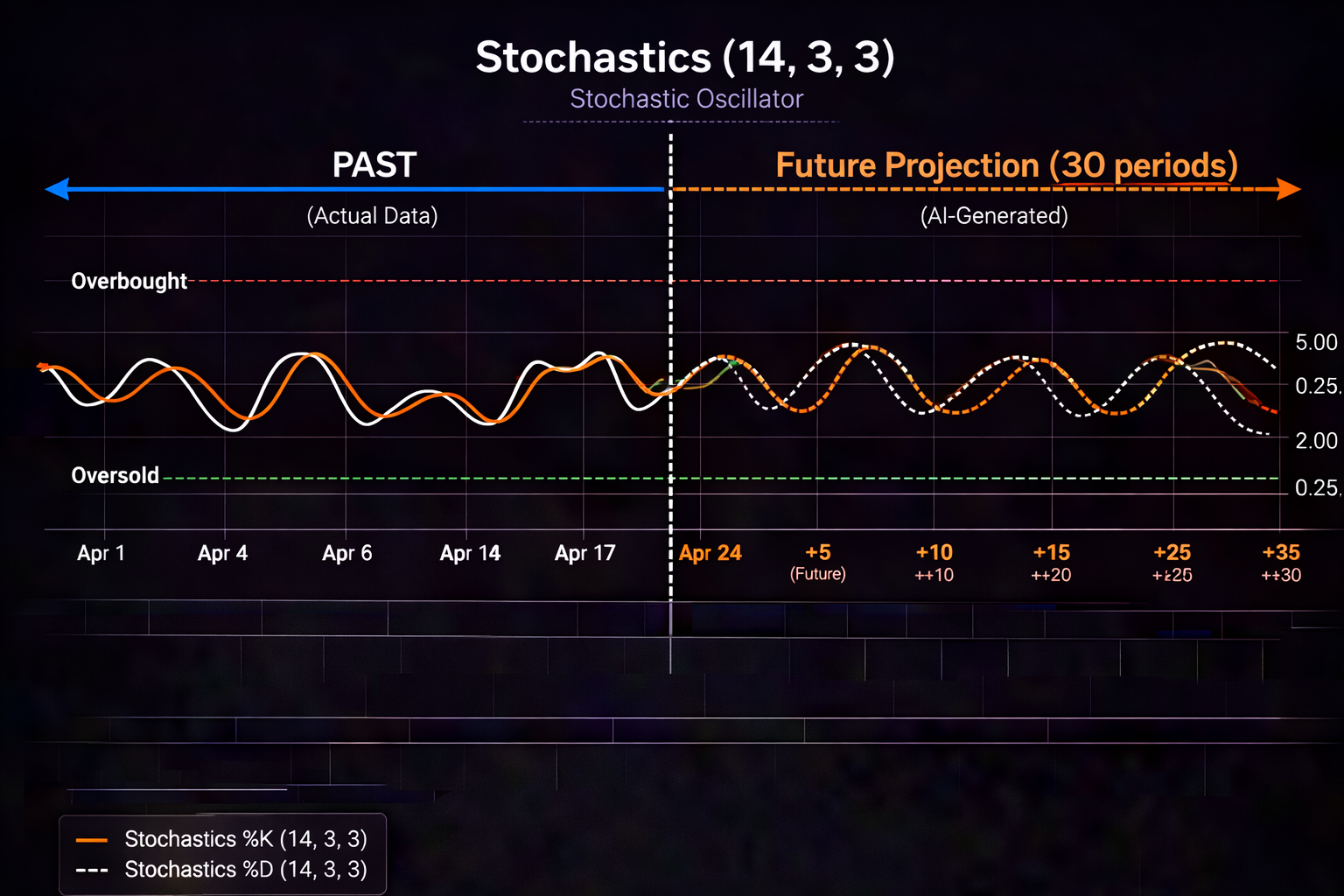


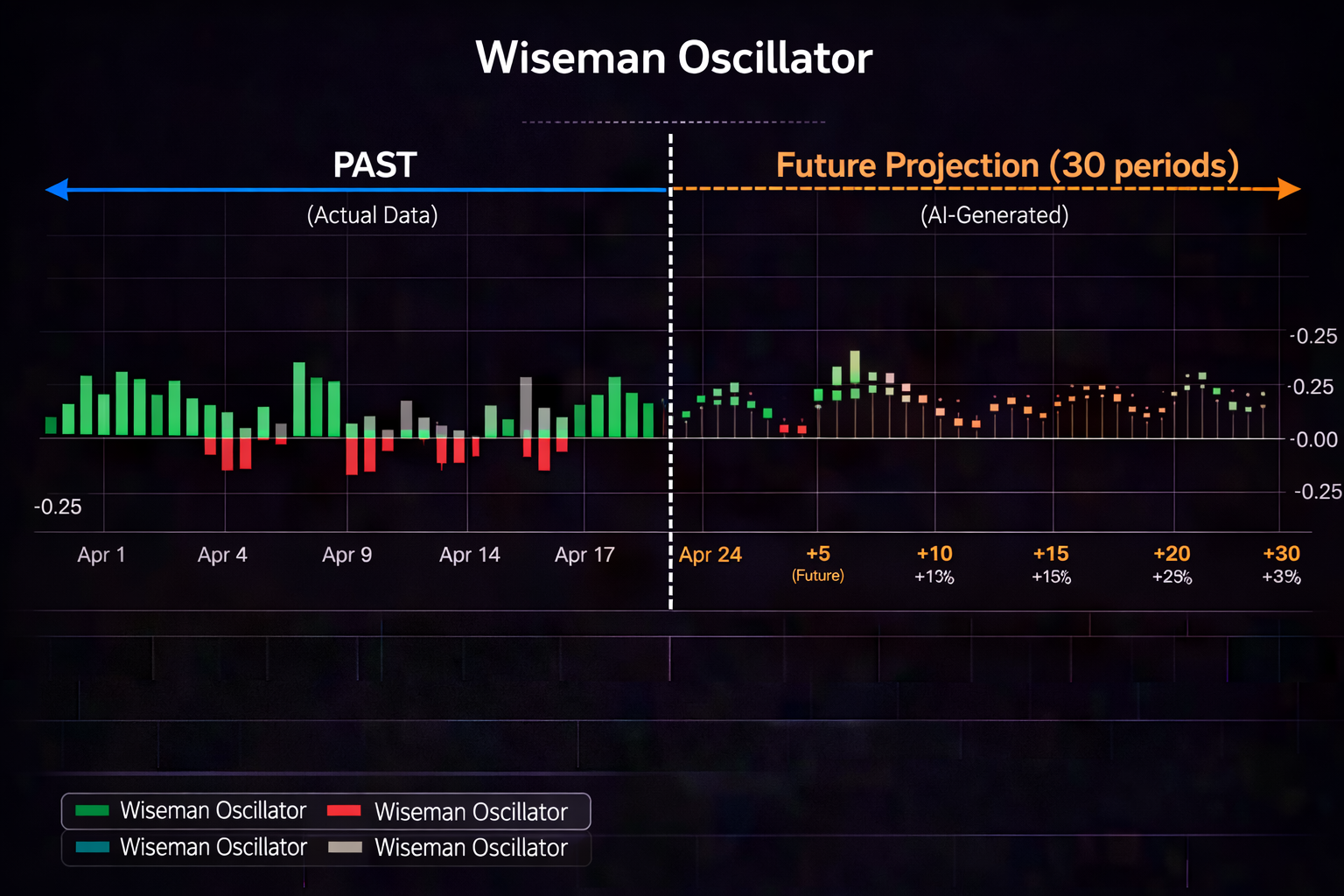
If you trade ES futures, you know the feeling. The S&P 500 e-mini moves fast. One moment you're confident about your setup, and the next you're second-guessing everything. The market gaps up at the open. Volume surges. News headlines flash across your screen. Should you hold? Should you exit? Is this a real breakout or a fakeout?
These questions don't come from lack of skill. They come from the sheer complexity of modern markets. ES futures reflect everything: economic data, Fed policy, earnings reports, geopolitical events, and the collective positioning of institutions, algorithms, and retail traders worldwide. No human can process all of that in real time.
That's where AI steps in. Not as a crystal ball. Not as a profit machine. But as a tool that helps you see the market more clearly, so you can trade with more confidence.
What Makes ES Futures So Challenging?
The E-mini S&P 500 is one of the most liquid futures contracts in the world. That liquidity attracts everyone from high-frequency trading firms to pension funds to day traders working from their home offices. The result? A market that's efficient, fast, and unforgiving.
Here's what retail swing traders face every day:
- Overnight gaps: ES trades nearly 24 hours a day. You can wake up to a market that's moved 2% while you slept.
- Macro sensitivity: A single jobs report or inflation print can reverse your entire thesis in minutes.
- Technical noise: Support and resistance levels get tested constantly. Breakouts fail. Patterns form and dissolve.
- Positioning uncertainty: Are you trading with the trend or against it? Without knowing where institutions are positioned, you're flying partially blind.
Traditional analysis helps, but it has limits. You can study charts for hours. You can read every economic calendar event. You can follow the news. But there's always something you might miss. AI doesn't replace your judgment. It fills in the gaps.
How AI Actually Helps ES Traders
Let's be clear about what we're talking about. When we say "AI" in trading, we're not talking about black-box algorithms that promise riches. We're talking about practical tools that process market data and give you clearer signals.
PredictIndicators.ai uses AI to analyze price action, volume, and market structure across multiple timeframes. The system looks for patterns that align with your trading style. It doesn't tell you what to do. It shows you what the market is doing, so you can decide.
Pattern Recognition at Scale
Humans are great at spotting patterns on a single chart. AI can scan hundreds of historical setups in seconds. When you're looking at a potential breakout on the ES 5-minute chart, the system can compare it to similar setups from the past six months. It can show you how often those setups led to follow-through versus failure.
This isn't about predicting the future. It's about context. If you see a bullish flag forming after a strong move up, knowing that similar flags have worked 60% of the time in the current market regime gives you more confidence than guessing.
Multi-Timeframe Alignment
One of the biggest mistakes swing traders make is focusing on a single timeframe. You might see a perfect setup on the 15-minute chart, but the daily chart is screaming caution. AI tools can analyze multiple timeframes simultaneously and show you where they align or conflict.
When the 1-hour, 4-hour, and daily charts all point in the same direction, your conviction should be higher. When they disagree, that's a signal to pause. PredictIndicators.ai surfaces these alignments automatically, so you're not squinting at six different charts trying to reconcile them.
Volume and Momentum Context
Price tells you where the market is. Volume tells you how strongly it got there. AI can analyze volume profiles and momentum shifts in ways that go beyond simple indicators. It can identify whether a move is backed by genuine participation or if it's running on empty.
For ES traders, this matters enormously. A breakout on light volume is suspect. A reversal on heavy volume deserves attention. AI helps you read these signals without needing to become a volume profile expert overnight.
Building Confidence, Not Dependency
The goal isn't to trade because the AI says so. The goal is to trade with more information than you had before. Confidence comes from clarity, not from blind faith in a system.
Here's how traders use PredictIndicators.ai to build genuine confidence:
- Pre-market preparation: Before the cash open, review AI-generated analysis of overnight action. What levels held? Where did volume cluster? What's the dominant short-term trend?
- In-trade validation: When you're in a position, check whether the AI signals align with your thesis. If you're long and the system is showing bearish divergence, that's worth noting.
- Post-trade review: After the session, look at what the AI flagged versus what actually happened. This builds your intuition over time.
The best traders use AI as a second opinion, not as a replacement for their own analysis. You still need to understand market structure. You still need to manage risk. You still need to make your own decisions. AI just gives you more data points to work with.
Practical Examples from ES Trading
Let's walk through a few scenarios where AI analysis makes a real difference.
Scenario 1: The Overnight Gap
You wake up and ES has gapped up 1.5% on Asian trading. The cash open is in two hours. Do you chase the gap? Do you fade it? Do you wait?
AI analysis can show you:
- How similar gaps have behaved in the past two weeks
- Whether the gap is at a key technical level (previous resistance, round number, etc.)
- Volume characteristics of the overnight move
- Alignment with the higher-timeframe trend
Maybe the system shows that gaps of this size, at this level, in this market regime, have filled 70% of the time within the first two hours. That doesn't mean you short automatically. It means you approach the open with a specific hypothesis instead of guessing.
Scenario 2: The Choppy Session
It's 11 AM. ES has been range-bound for three hours. You're bored. You're tempted to take a marginal setup just to be in the market. This is where traders lose money.
AI can identify that the market is in a low-volatility consolidation phase. It can show you that breakouts from this range have been failing repeatedly. It can suggest that waiting for a clean break with volume is smarter than forcing trades.
Sometimes the best trade is no trade. AI helps you recognize when sitting out is the right call.
Scenario 3: The News Spike
CPI data drops. ES spikes 20 points in seconds. Your stop is hit. The market then reverses. You're stopped out, and now it's going in your original direction. Frustrating.
AI can't prevent news events. But it can help you understand the aftermath. After the initial spike, is the market establishing a new range? Is there follow-through? Or is it mean-reverting? AI analysis of the post-news price action can help you decide whether to re-enter or step aside.
Common Mistakes to Avoid
AI is a tool, and like any tool, it can be misused. Here are pitfalls to watch for:
Over-reliance: If you find yourself trading solely because the AI flagged a setup, you've crossed a line. Always layer AI signals with your own analysis.
Signal shopping: Don't wait for the perfect AI confirmation. Markets move fast. Use AI as input, not as a gatekeeper that freezes you in analysis paralysis.
Ignoring context: AI signals work best when you understand the broader market environment. A bullish signal in a strong downtrend needs more scrutiny than the same signal in an uptrend.
Forgetting risk management: AI doesn't manage your positions. You do. Always use stops. Always size appropriately. Never risk more than you can afford to lose.
Getting Started with AI-Assisted ES Trading
If you're curious about incorporating AI into your ES trading, start small. You don't need to overhaul your entire approach overnight.
- Pick one setup: Choose a single pattern or scenario you trade regularly. Use AI to analyze that specific setup for two weeks. See what it teaches you.
- Keep a journal: Note when AI signals aligned with your trades and when they didn't. Look for patterns over time.
- Stay skeptical: Question the signals. Test them. Build trust through experience, not marketing claims.
- Focus on process: The goal is better decision-making, not better predictions. Process improvements compound over time.
PredictIndicators.ai is designed for this kind of gradual integration. You can use it alongside your existing charts, your existing broker, your existing routine. It's an addition, not a replacement.
The Bottom Line
Trading ES futures confidently isn't about having more indicators or fancier software. It's about understanding the market well enough to make decisions without constant second-guessing.
AI helps you get there by processing more data than you could alone, by showing you patterns you might miss, and by giving you context when the market moves fast. But it's still your job to interpret that information, manage your risk, and execute your plan.
The traders who thrive with AI are the ones who use it to enhance their existing skills, not replace them. They stay curious. They stay disciplined. They stay humble.
ES futures will keep moving. News will keep surprising us. Volatility will keep testing our conviction. AI won't change that. But it can help you face it with clearer eyes and steadier hands.