Android Tablet Trading Setup: Indicators, Layouts, and Workflow for 2026
By Robert · March 21, 2026 · Android Tablet · 15 min read
Android tablets are one of the most underrated trading devices available right now. Most traders either default to a desktop workstation or assume a tablet is just a bigger phone. That misses the real advantage. A good Android tablet gives you far more chart space than a phone, more freedom than a laptop when you are moving around, and enough screen room to build a serious monitoring and analysis setup without feeling trapped at a desk.
The mistake most traders make is trying to use a tablet with a phone mindset. They install a broker app, glance at a couple of charts, and decide tablets are only good for casual monitoring. The better approach is to build an actual trading workflow around the extra space. That means choosing indicators that remain readable on touch devices, using split-screen well, setting alerts intelligently, and keeping the same decision process across your larger screens and your mobile devices.
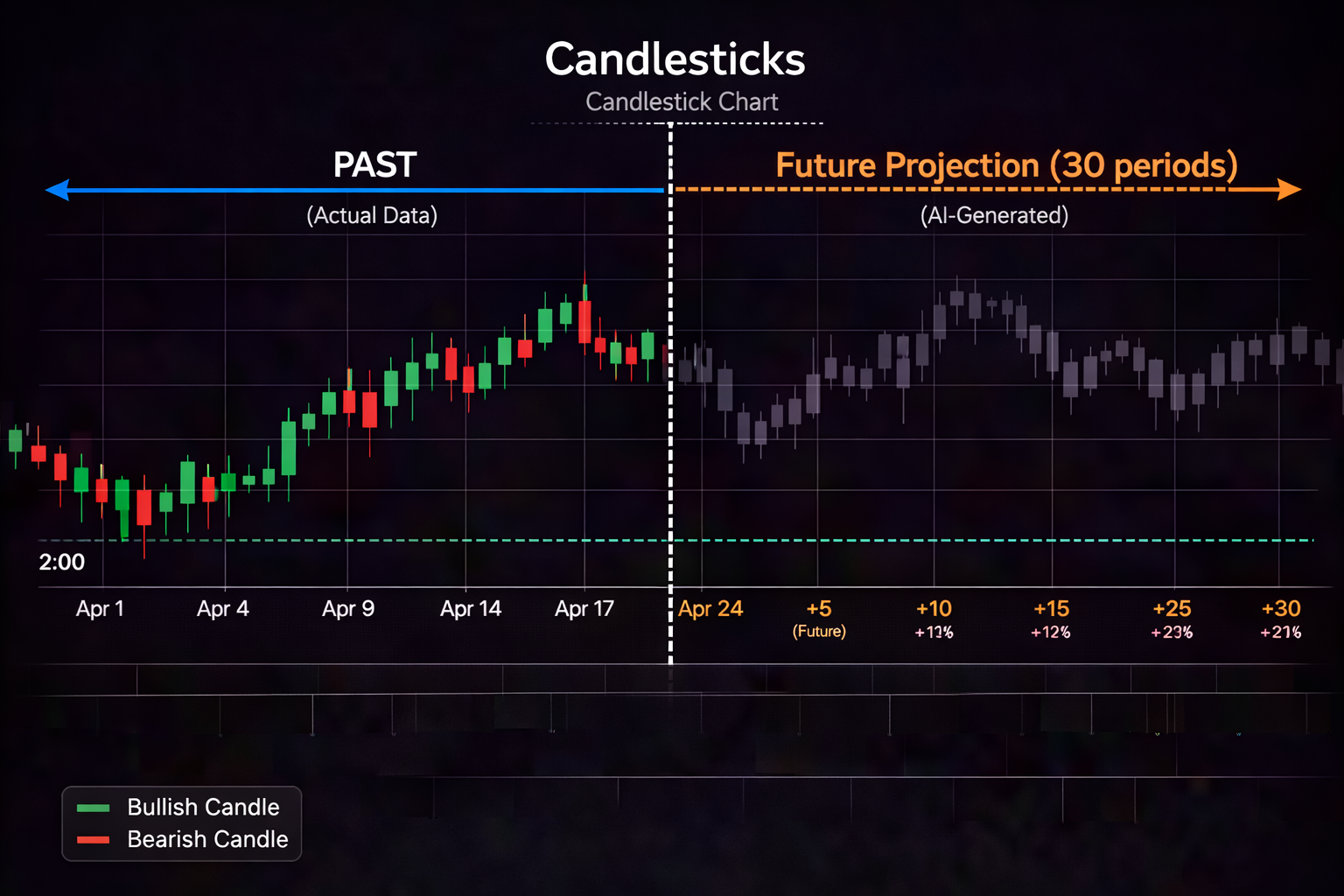
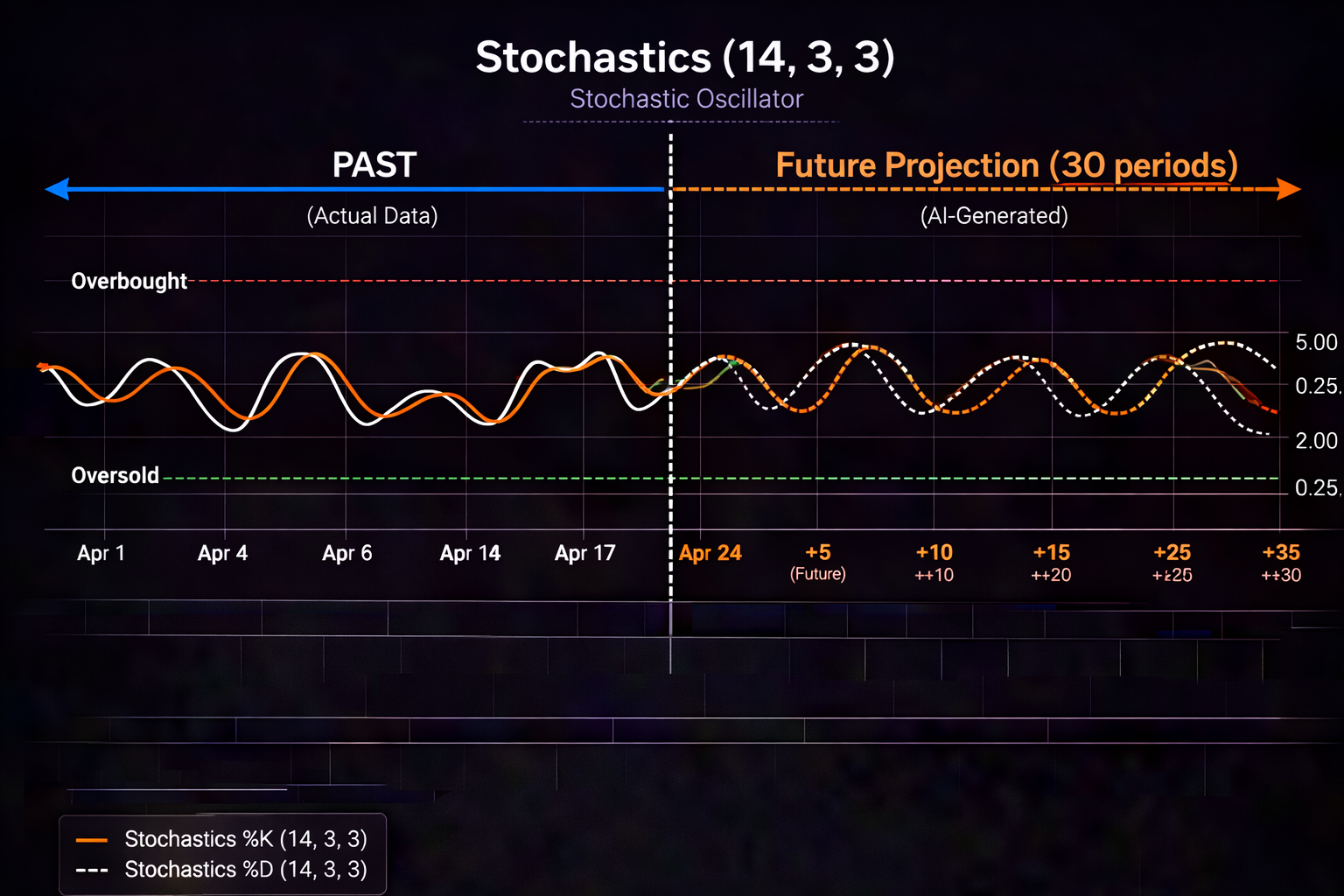
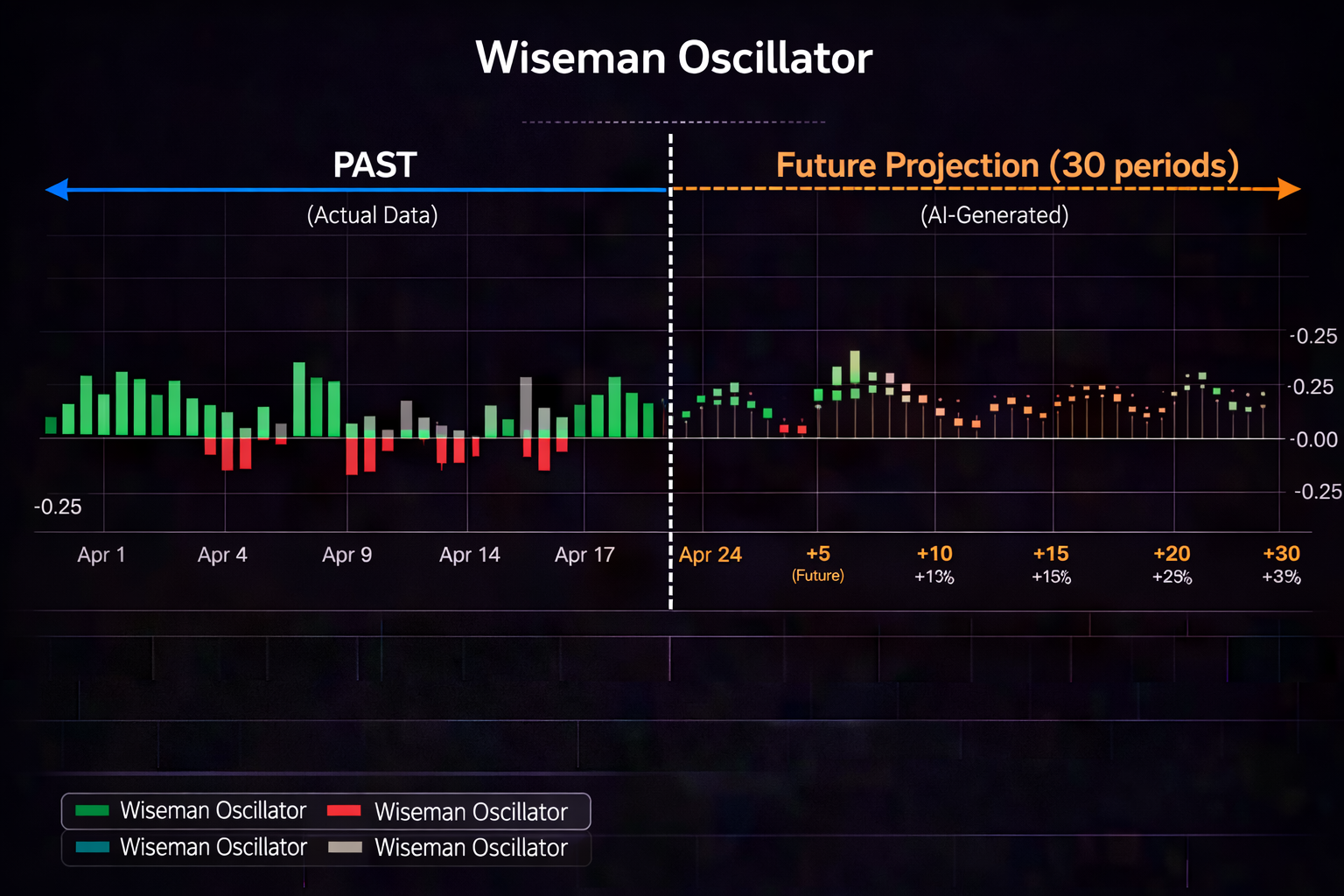
PredictIndicators.ai is a strong fit for that kind of setup because it helps traders forecast where key indicators and candlestick structure may be heading up to 30 bars ahead. On an Android tablet, that forward-looking view becomes especially useful because you can give the chart enough space to see context clearly while still staying mobile. The platform also works on Android phones, iPad, iPhone, Mac, NinjaTrader 8, MetaTrader 5, and the web app. In this guide, I’ll show you how to build a serious Android tablet trading setup, what indicators work best on that form factor, and how to use the larger screen without turning it into a cluttered mess.
Why Android Tablets Make Sense for Trading
A tablet sits in a very useful middle ground. It is large enough for genuine chart review and small enough to carry anywhere. That matters because most retail traders are not choosing between a tablet and a Bloomberg terminal. They are choosing between whatever device fits into real life. If you want to review your watchlist from the couch, monitor open trades while traveling, or keep a second screen beside your desktop without buying another monitor, a tablet becomes practical fast.
Android tablets in particular have some advantages that traders tend to overlook:
More screen room than a phone for charting and indicator visibility.
Better multitasking with split-screen layouts that actually feel usable.
Flexible price range from midrange Lenovo and Samsung models up to premium Galaxy Tab devices.
Widget and notification flexibility that many Android users already prefer.
Stylus support on some devices for marking levels and reviewing structure.
For swing traders and active retail traders, that is a meaningful combination. You get enough room to think without carrying a full laptop everywhere.
Best fit: Android tablets are excellent for chart review, alert monitoring, and trade management. They are strongest when paired with a larger desktop or laptop workflow, but they can also handle a surprising amount on their own.
What a Good Android Tablet Trading Setup Needs
A proper setup is not just hardware. It is hardware plus workflow. Traders often overspend on the tablet itself and ignore the way they actually use it. A better setup focuses on four areas.
1. Enough screen space for clean charts
A 10- to 12-inch tablet is usually the sweet spot. Smaller can feel cramped if you use multiple indicators. Larger is excellent if you mainly use the tablet at home or in a fixed location.
2. Indicators that stay readable
Some indicators look fine on desktop and become visual mud on touch screens. The best tablet indicators remain useful at a glance. Momentum structure, projected direction, ATR context, and clean candlestick interpretation matter more than loading up the screen with every tool you own.
3. Smart alert management
The extra mobility only helps if alerts are meaningful. Good alerts tell you when to review a setup, not when to panic. Android gives you strong control here through notification channels and device settings.
4. Consistency across devices
If your tablet workflow feels different from your desktop and phone workflow, your discipline will suffer. PredictIndicators.ai helps here because the same forecasting logic stays available across Android, iPhone, iPad, Mac, desktop platforms, and browser access.
Turn Your Android Tablet Into a Real Trading Screen
PredictIndicators.ai gives Android traders forward-looking momentum context across tablet, phone, desktop, Mac, and browser so the workflow stays consistent wherever you trade.
The Best Indicators for an Android Tablet Workflow
The best tablet indicators are the ones that help you make decisions quickly without wasting the larger screen on noise. Here are the most useful categories.
Forward-looking momentum tools
These matter because they help you judge whether a pullback is maturing into continuation, whether a breakout still has fuel, or whether a move is already stalling. That is where PredictIndicators.ai stands out. On a tablet, you can give the chart enough room to see current structure and projected indicator behavior together without feeling rushed.
ATR and volatility context
ATR is underrated on tablets because it keeps traders grounded. It answers whether the move is already stretched relative to recent conditions and whether your stop or target expectations make sense.
Directional movement and trend strength
These help separate trend continuation opportunities from low-quality chop. Tablet screens make it easier to keep a clean trend read visible without stacking too many windows.
Candlestick structure and marked levels
Tablets shine when you use them for visual context. Clean support and resistance zones, obvious reaction areas, and readable candle structure often matter more than adding another oscillator.
The best workflow is usually not “more indicators.” It is fewer indicators with better decision roles. One for momentum direction, one for volatility context, and your marked levels can take you a long way.
How to Use Split-Screen the Right Way
Split-screen is one of the biggest reasons Android tablets work well for trading. But most people use it badly. They cram two crowded apps side by side and then wonder why neither feels usable. The key is to pair one primary charting or signal view with one secondary context view.
Primary Panel
Secondary Panel
Best Use
PredictIndicators.ai chart
Broker app
Monitor momentum and execute only when setup quality is confirmed
PredictIndicators.ai chart
Economic calendar or news
Check whether timing risk is elevated around the setup
Watchlist / signals
Single-symbol detailed chart
Scan efficiently without leaving the review flow
Chart
Trade journal notes
Review setups and tighten your process after the session
The most useful split-screen setup for many traders is simple: chart on one side, execution or context on the other. That keeps the decision loop tight. You can see whether projected momentum supports the idea and avoid overreacting to a single candle.
Building a Real Android Tablet Workflow
A good setup is not only about what is on the screen. It is about what happens in sequence. Here is a practical workflow that works well for active retail traders:
Do your heavy prep on desktop, Mac, or web if available. Mark the best levels and identify the only setups you care about.
Use the Android tablet for active review during the day. Keep your focus on a curated watchlist rather than random chart wandering.
Check projected indicator direction before acting. Ask whether the setup is strengthening, fading, or too mature.
Use split-screen when execution matters. Keep your chart and broker context visible together.
Shift to phone only when mobility matters more than detail. The tablet should handle the heavier mobile review role.
Review the same trade later from a larger screen if needed. Multi-device continuity matters more than any one device.
This is where a cross-platform product helps. If you use PredictIndicators.ai on Android and later want to review the same logic on Mac, iPad, or the web app, you are not rebuilding the setup from scratch.
Android Tablet vs. iPad vs. Laptop
Each has a place, and being honest about that helps traders spend smarter.
Android tablet vs. iPad
iPad often wins on polish and app consistency. Android tablets often win on flexibility, customization, and value. If you already prefer Android notifications, widgets, and device variety, an Android tablet can be a very strong trading choice.
Android tablet vs. laptop
A laptop is still better for deep multi-window analysis, especially if you are running a heavier desktop environment. A tablet wins on comfort, portability, touch interaction, and quick session review. That is why many traders end up using both.
Android tablet vs. phone
This is where the tablet shines most. It gives you much better chart visibility, easier side-by-side app use, and less rushed decision-making. If a phone keeps making you feel late and cramped, a tablet is the more meaningful upgrade.
Common Mistakes Traders Make on Android Tablets
Mistake one: treating the tablet like a phone. If you only use it for quick glances, you waste the real advantage of the bigger display.
Mistake two: overloading the layout. More space does not mean endless panels and indicators. A clean layout still wins.
Mistake three: bad split-screen pairings. Two cramped charts side by side are usually worse than one clear chart and one useful support view.
Mistake four: ignoring device continuity. If the tablet setup feels separate from your desktop and phone workflow, you create confusion and impulsive trades.
Mistake five: relying on alerts without context. Alerts are invitations to review, not commands to act.
Who Should Build an Android Tablet Trading Setup?
If you are a swing trader, an active retail trader who travels, or someone who wants a serious second screen without living at a desk, an Android tablet is a smart fit. It is especially strong for traders who want more room than a phone but do not need a full laptop open every moment of the day. When paired with a tool that gives earlier momentum context, the tablet becomes more than a convenience device. It becomes part of a disciplined trading process.
That is why this setup works so well with PredictIndicators.ai. Instead of staring at lagging charts and making late decisions, you can use the bigger mobile screen to judge where key indicators may be heading before the move becomes obvious. Combined with access across Android, iPhone, iPad, Mac, NinjaTrader, MetaTrader, and web, it gives traders one continuous workflow rather than a collection of disconnected apps.
PredictIndicators.ai helps Android tablet traders see where momentum and indicator structure may be heading so trade review, monitoring, and execution become cleaner across every device you use.
Robert built PredictIndicators.ai for retail traders who want clearer momentum context, cleaner timing, and one connected workflow across mobile, tablet, desktop, and browser.