AI Trading for Crypto Markets: Master Bitcoin, Ethereum, and Altcoin Trading with Predictive Analytics
Cryptocurrency trading is the Wild West of financial markets. Extreme volatility, 24/7 trading, market manipulation, and rapid technological change make crypto both incredibly lucrative and brutally dangerous. The same technical analysis principles that work in stocks and futures apply to crypto—but amplified. Moves are faster, deeper, and less predictable.
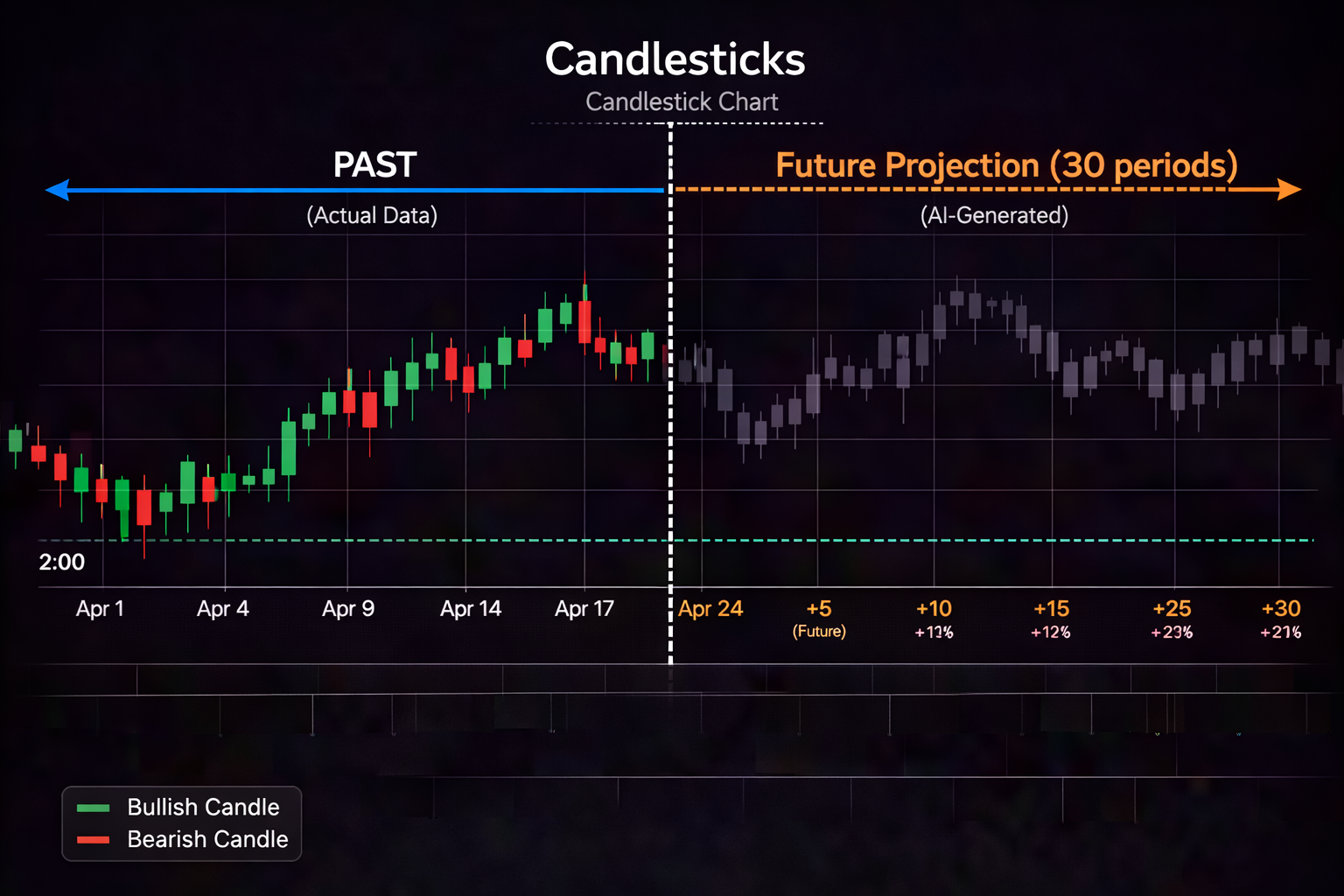
But here's what's changed: AI-powered forecasting tools are now available for crypto traders. Instead of reacting to Bitcoin's 10% swings after they happen, you can use AI to anticipate where momentum indicators, volatility, and price action are heading 20-30 bars in advance. This doesn't eliminate crypto's inherent risks, but it gives you a systematic edge in one of the most challenging markets on earth.
In this comprehensive guide, we'll explore how to apply AI trading strategies to cryptocurrency markets. We'll cover Bitcoin and Ethereum trading, altcoin strategies, volatility management, exchange selection, and how to use tools like PredictIndicators.ai across desktop (NinjaTrader 8, MetaTrader 5, Mac) and mobile (iPhone, iPad, Android, web) platforms to trade crypto with confidence.
Why Crypto Requires a Different Approach
Cryptocurrency markets are fundamentally different from traditional financial markets. Understanding these differences is crucial before applying AI strategies:
1. Extreme Volatility
Bitcoin regularly moves 5-10% in a day. Altcoins can move 20-50%. This creates enormous profit potential but also enormous risk. Traditional position sizing and stop-loss strategies need adjustment.
AI Advantage: AI-forecasted ATR (volatility) is even more critical in crypto than in traditional markets. Use AI volatility predictions to dynamically adjust position sizes and stop distances.
2. 24/7 Trading
Crypto never closes. No overnight gaps, no weekend closures. This means:
Continuous technical analysis (no session breaks)
Need for automated alerts or monitoring
No "wait until morning" to exit bad positions
3. Market Manipulation
Crypto markets are less regulated than traditional markets. Pump-and-dump schemes, wash trading, and whale manipulation are common, especially in altcoins.
Protect Yourself: Stick to high-liquidity assets (BTC, ETH, top 20 altcoins). Avoid low-cap coins where manipulation is rampant. AI can help identify unusual volume spikes that may signal manipulation.
4. Correlation Dynamics
Most altcoins correlate heavily with Bitcoin. When BTC moves, alts move—often with amplified beta. This makes diversification within crypto challenging.
5. Technological Risk
Exchange hacks, smart contract bugs, regulatory crackdowns, and network upgrades can all cause sudden price dislocations unrelated to technical analysis.
Crypto Asset Classes: Understanding What You're Trading
Not all cryptocurrencies are created equal. Different types require different trading approaches:
Bitcoin (BTC)
Characteristics:
Market cap: Largest (dominates ~40-50% of total crypto market cap)
Liquidity: Highest—tightest spreads, deepest order books
Volatility: High for traditional markets, moderate for crypto (typically 3-8% daily moves)
Liquidity: Low to moderate—wider spreads, slippage risk
Volatility: Extreme (15-50% daily moves possible)
Risk: High manipulation risk, project failure risk
Best for: Speculative trading only, small position sizes
Recommendation: For most traders, focus 70-80% of crypto capital on BTC and ETH, 15-25% on top-20 altcoins, and 0-5% on speculative small-caps. This balances opportunity with survivability.
AI Trading Strategies for Crypto
Now let's dive into specific strategies that work in crypto markets, enhanced by AI forecasting.
Strategy 1: Bitcoin Trend Following with AI Confirmation
Bitcoin trends hard and sustained. Trend following is one of the most reliable crypto strategies.
Setup:
Timeframe: 4-hour or daily charts for swing/position trading
Indicators: 50 EMA, 200 EMA, MACD, RSI
AI Enhancement: PredictIndicators.ai forecasts for MACD, RSI, ATR
Entry Rules (Long):
Price above both 50 EMA and 200 EMA (bullish alignment)
50 EMA above 200 EMA (golden cross or established uptrend)
AI forecasts show MACD bullish for next 25+ bars
AI forecasts show RSI has room to run (not already overbought)
Enter on pullback to 50 EMA or on breakout above recent high
Exit Rules:
Stop loss: Below 200 EMA or 2.5 × ATR below entry
Take profit: Trail with 50 EMA, or take partial profits at 2R, 3R, 4R
AI-based exit: Exit when AI forecasts show MACD bearish reversal for next 20+ bars
Position Sizing:
BTC: 1-2% risk per trade
Use AI-forecasted ATR to adjust position size (reduce size when volatility expected to expand)
Strategy 2: Ethereum Mean Reversion
ETH often exhibits mean-reverting behavior within larger trends, especially on lower timeframes.
AI forecasts show momentum strengthening into breakout
Enter on breakout above resistance with volume confirmation (volume 150%+ of average)
Exit Rules:
Initial target: Measured move (height of pattern projected from breakout)
Trailing stop: Below prior swing low or 3 × ATR (wider for volatile alts)
AI-based exit: Exit when AI forecasts show momentum exhaustion (RSI predicted to peak and reverse)
Altcoin Risk: Altcoin breakouts can reverse violently. Never risk more than 1% per altcoin trade, and be prepared for 20-30% retracements even in successful breakouts.
Strategy 4: Crypto Scalping with AI
Scalping works in crypto due to high volatility and 24/7 markets. AI enhances scalping by providing predictive entry signals.
Setup:
Timeframe: 5-minute or 15-minute charts
Instruments: BTC or ETH only (liquidity critical for scalping)
Indicators: 9 EMA, 21 EMA, Stochastics, Volume
AI Enhancement: Short-term AI forecasts (10-15 bar horizon)
Entry Rules (Long):
9 EMA above 21 EMA (short-term bullish)
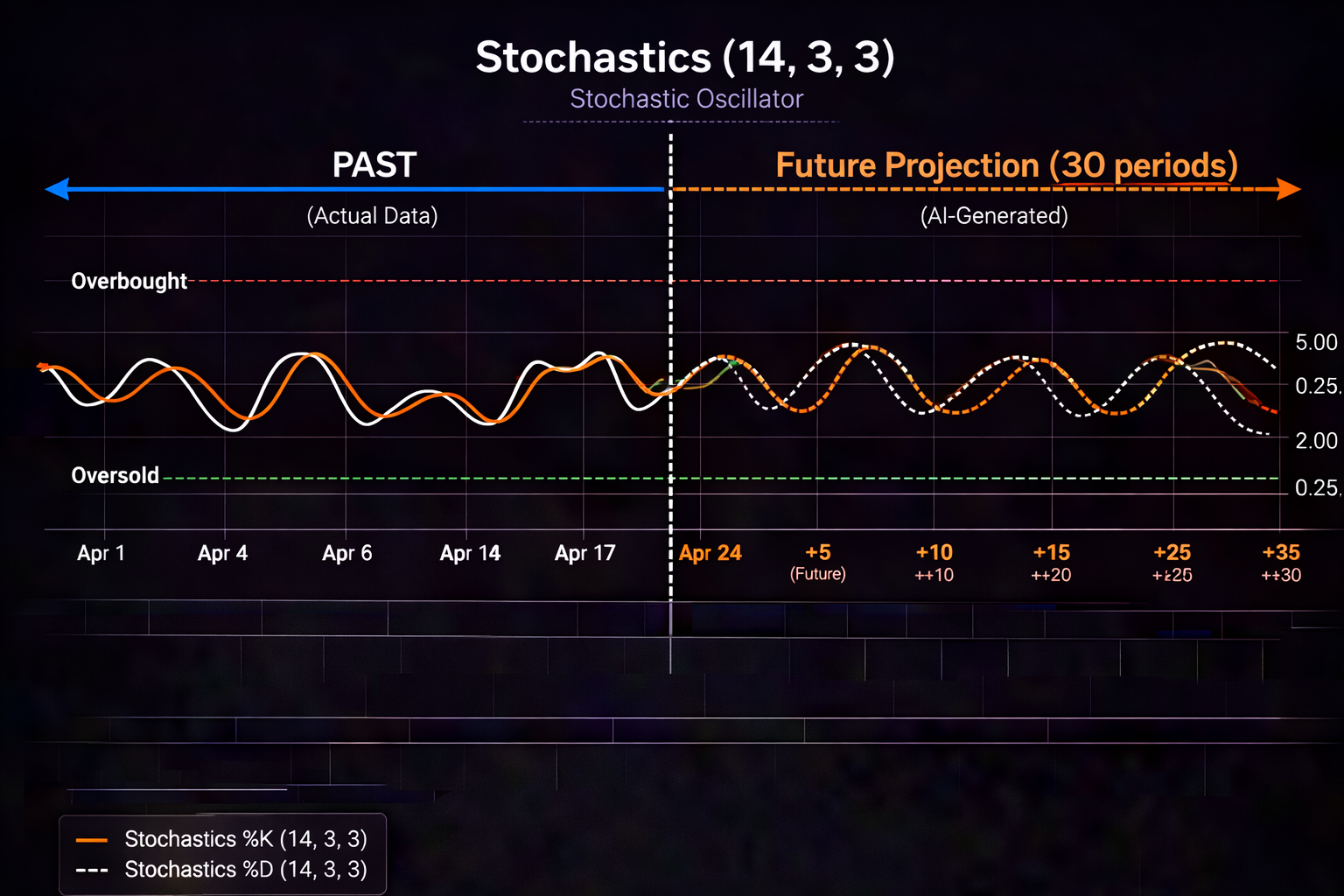
Stochastics oversold (below 20) and turning up
AI forecasts show bullish momentum for next 10-15 bars
Enter on pullback to 9 EMA with bullish candle confirmation
Exit Rules:
Quick target: 1-1.5R (scalps are quick—don't get greedy)
Stop loss: Below recent swing low or 1.5 × ATR
Time-based exit: If trade doesn't work within 5-10 bars, exit
Scalping Discipline:
Maximum 3-5 scalps per session
Stop after 2 consecutive losses
Trade only during high-liquidity hours (US or European session)
Volatility Management: The Crypto Survival Skill
Volatility is crypto's defining characteristic. Managing it properly is the difference between thriving and blowing up.
Position Sizing for Crypto Volatility
Crypto requires smaller position sizes than traditional markets:
Asset Type
Risk Per Trade
Rationale
Bitcoin
1-1.5%
High volatility but relatively stable for crypto
Ethereum
1-1.5%
Slightly higher volatility than BTC
Large-Cap Alts
0.75-1%
Higher volatility, higher risk
Small-Cap Alts
0.25-0.5%
Extreme volatility, speculative only
AI-Adjusted Position Sizing
Use AI-forecasted ATR to dynamically adjust sizes:
Base Position: 1 BTC position at standard risk AI-Forecasted ATR: 20% above current ATR Adjusted Position: Reduce by 15-20% (0.8-0.85 BTC)
AI-Forecasted ATR: 20% below current ATR Adjusted Position: Can increase by 10-15% (1.1-1.15 BTC)
Stop Loss Strategies for Crypto
Crypto stops need to be wider than traditional markets to avoid getting stopped out by normal volatility:
AI Enhancement: Use AI volatility forecasts to anticipate when stops should be widened. If AI predicts ATR expansion, widen stops preemptively rather than getting stopped out by noise.
Correlation Risk in Crypto
Remember: most altcoins correlate 0.7-0.9 with Bitcoin. Running 10 altcoin positions doesn't give you 10 independent bets—it gives you 10 leveraged bets on BTC direction.
Solutions:
Limit total crypto exposure to 20-30% of overall trading portfolio
Within crypto, keep BTC/ETH as 60-70% of crypto allocation
Don't run more than 3-5 altcoin positions simultaneously
Monitor BTC dominance—if BTC is weak, reduce alt exposure
Exchange Selection and Security
Your choice of exchange matters enormously for crypto trading success.
Top-Tier Exchanges (Recommended)
Coinbase Pro: US-based, highly regulated, excellent for beginners
Binance: Largest by volume, huge coin selection, advanced features
Kraken: Strong security, good for futures trading
Bybit: Excellent for derivatives, good liquidity
OKX: Advanced trading features, good altcoin selection
Key Factors to Consider
Security:
Two-factor authentication (2FA) required
Cold storage for majority of customer funds
Insurance on custodied assets
Clean security history (no major hacks)
Liquidity:
Tight spreads on your target pairs
Deep order books (reduces slippage)
High 24-hour trading volume
Fees:
Maker/taker fee structure
Volume discounts available
Withdrawal fees (can be significant for some coins)
Available Instruments:
Spot trading (actual coins)
Futures/perpetual swaps (leveraged trading)
Margin trading
Staking/earning programs
Security Best Practices
Critical Security Rules:
NEVER leave large balances on exchanges—withdraw to hardware wallet (Ledger, Trezor) for long-term holdings
Use cold wallet for 80%+ of crypto assets, keep only trading capital on exchanges
Enable 2FA using authenticator app (NOT SMS—SIM swapping is real)
Use unique, complex passwords for each exchange
Enable withdrawal whitelisting (only allows withdrawals to pre-approved addresses)
Never share API keys or enable withdrawal permissions on API keys
Be wary of phishing emails—always verify URLs before logging in
Crypto-Specific Technical Analysis Adjustments
Traditional technical analysis works in crypto, but needs adjustments:
1. Wider Bands and Channels
Bollinger Bands, Keltner Channels, and similar tools need wider settings:
Traditional markets: 2 standard deviations
Crypto: 2.5-3 standard deviations
2. Longer Lookback Periods
Indicators need longer periods to smooth out crypto noise:
RSI: Use 14-period (standard) but interpret levels more flexibly (crypto RSI can stay overbought/oversold longer)
Moving averages: 20, 50, 100, 200 all work well
MACD: Standard 12, 26, 9 settings work fine
3. Volume Analysis is Critical
Volume confirms moves in all markets, but in crypto it's even more important due to manipulation risk:
4. Support/Resistance Holds Better on Higher Timeframes
Crypto noise on 5-minute charts creates many false breaks. Support/resistance is more reliable on:
4-hour charts (good for swing trading)
Daily charts (excellent for position trading)
Weekly charts (major levels that hold for months/years)
AI Tools for Crypto: Platform Considerations
Not all trading platforms support crypto. Here's what to look for:
MetaTrader 5 (Crypto-Friendly)
Crypto Support: Many brokers offer crypto CFDs on MT5 (BTC, ETH, major alts)
Pros:
Familiar platform for forex traders
Supports AI indicators like PredictIndicators.ai
Leverage available (but use carefully)
Cons:
Often CFDs, not actual crypto (can't withdraw to wallet)
Spread can be wider than crypto exchanges
Dedicated Crypto Platforms
Platforms like TradingView integrate with crypto exchanges and support custom indicators:
Direct exchange integration
Excellent charting
Custom indicator support (Pine Script)
Mobile Trading (iPhone, iPad, Android)
Crypto's 24/7 nature makes mobile access crucial:
Monitor positions anytime
Receive alerts on breakout/breakdown
Execute trades when away from desk
PredictIndicators.ai works across mobile platforms, giving you AI forecasts on the go—critical for crypto's round-the-clock markets.
Crypto Trading Psychology
Crypto tests your psychology more than any other market. Here's how to stay sane:
1. Accept Volatility as Normal
A 10% day in crypto is Tuesday. Don't panic. Don't overreact. Stick to your plan.
2. Avoid FOMO on Parabolic Moves
Seeing altcoins up 50-100% in a day is tantalizing. By the time you notice, you've missed the move. Chasing = buying tops = losing money.
3. Don't Marry Your Positions
Crypto projects can go to zero. Never fall in love with a coin. Trade what the chart shows, not what you believe in.
4. Take Profits Regularly
Crypto gains can vanish quickly. When you're up 50-100%, take some chips off the table. Live to trade another day.
5. Step Away During Extreme Moves
When BTC is moving 10% hourly, it's easy to overtrade. Sometimes the best trade is no trade. Step away, clear your head, wait for the dust to settle.
Building Your Crypto Trading Plan
Tie it all together with a written trading plan:
Portfolio Allocation
Maximum crypto exposure: ___% of total trading capital
BTC allocation: ___% of crypto portfolio
ETH allocation: ___% of crypto portfolio
Altcoin allocation: ___% of crypto portfolio
Maximum single altcoin position: ___% of crypto portfolio
Position Sizing Rules
BTC risk per trade: ___%
ETH risk per trade: ___%
Large-cap alt risk per trade: ___%
Small-cap alt risk per trade: ___% (if trading at all)
Entry Criteria
Minimum AI forecast confirmation required
Minimum reward-to-risk ratio: 2:1
Volume confirmation required: yes/no
Exit Rules
Stop loss methodology (ATR-based, percentage-based, technical level)
Profit-taking rules (scale out at specific levels?)
AI-based exit triggers
Risk Limits
Maximum daily loss: ___% (stop trading for day if hit)
Maximum weekly loss: ___% (stop trading for week if hit)
Maximum concurrent crypto positions: ___
The Future of AI in Crypto Trading
AI is still early in crypto trading, but evolving rapidly:
Better volatility forecasting: AI models are getting better at predicting crypto's wild swings
On-chain data integration: Future AI tools may incorporate blockchain data (wallet flows, exchange inflows/outflows) alongside technical indicators
Sentiment analysis: AI analysis of social media, news, and community sentiment
Cross-exchange arbitrage detection: AI identifying price discrepancies across exchanges
Manipulation detection: AI flagging potential pump-and-dump or wash trading patterns
Tools like PredictIndicators.ai are leading the way by making AI forecasting accessible across all platforms—desktop and mobile—giving retail crypto traders institutional-grade analytics.
Final Thoughts: Crypto + AI = Powerful Combination
Cryptocurrency trading without an edge is gambling. The volatility, the 24/7 nature, the manipulation, the complexity—it's designed to separate you from your money.
AI-powered forecasting gives you that edge. Not a guarantee—crypto will always be risky—but a systematic advantage that tilts odds in your favor:
AI forecasts help you anticipate moves instead of reacting to them
Multi-indicator synthesis cuts through crypto noise
Volatility predictions enable smarter position sizing
Cross-platform accessibility (NinjaTrader 8, MetaTrader 5, iPhone, iPad, Android, Mac, web) means you can monitor and act on signals 24/7
Combine AI with solid risk management, disciplined execution, and realistic expectations. Focus on BTC and ETH. Use proper position sizes. Protect your capital above all else.
Crypto trading is a marathon, not a sprint. The traders who survive are the ones who respect the risk, manage their exposure, and use every edge available—including AI.
The opportunity in crypto is real. The risk is real. The question is whether you'll approach it with the tools and discipline to succeed.
Trading Disclaimer: This content is for educational and informational purposes only and does not constitute financial advice, investment recommendations, or trading instructions. Cryptocurrency trading involves extreme risk and is not suitable for all investors. The volatile nature of crypto markets can lead to rapid and substantial losses, potentially exceeding your initial investment. AI forecasting and technical analysis do not guarantee profits or protect against losses. Past performance is not indicative of future results. Always conduct your own research and consult with a licensed financial advisor before making any trading or investment decisions. PredictIndicators.ai is a software tool that provides predictive analytics; it does not guarantee profits or protect against losses. Cryptocurrency markets are largely unregulated in many jurisdictions and may be subject to manipulation, fraud, and technological risks including exchange hacks and smart contract vulnerabilities. Trade only with capital you can afford to lose completely.